☃️ Me in my 🦌 Mrs. Santa Claus 🤶 costume in 2021. 🎄
As I was getting my Mrs. Santa Claus outfit together, in the last few weeks, in preparation for volunteering to ring The Salvation Army bell this holiday season, I decided to discover the history behind The Salvation Army red kettle and the ringing of the bell.
Red Kettle History
In 1891, Salvation Army Captain Joseph McFee was distraught because so many poor individuals in San Francisco were going hungry. During the holiday season, he resolved to provide a free Christmas dinner for the destitute and poverty-stricken. He only had one major hurdle to overcome — funding the project.
Where would the money come from, he wondered. He lay awake nights, worrying, thinking, praying about how he could find the funds to fulfill his commitment of feeding 1,000 of the city’s poorest individuals on Christmas Day. As he pondered the issue, his thoughts drifted back to his sailor days in Liverpool, England. He remembered how at Stage Landing, where the boats came in, there was a large, iron kettle called “Simpson’s Pot” into which passers-by tossed a coin or two to help the poor.
The next day Captain McFee placed a similar pot at the Oakland Ferry Landing at the foot of Market Street. Beside the pot, he placed a sign that read, “Keep the Pot Boiling.” He soon had the money for needy people to be properly fed at Christmas.
Six years later, the kettle idea spread from the west coast to the Boston area. That year, the combined effort nationwide resulted in 150,000 Christmas dinners for the needy. In 1901, kettle contributions in New York City provided funds for the first mammoth sit-down dinner in Madison Square Garden, a custom that continued for many years. Today in the U.S., The Salvation Army assists more than four-and-a-half million people during the Thanksgiving and Christmas time periods.
Captain McFee’s kettle idea launched a tradition that has spread not only throughout the United States, but all across the world. Kettles are now used in such distant lands as Korea, Japan, Chile and many European countries. Everywhere, public contributions to Salvation Army kettles enable the organization to continue its year-round efforts at helping those who would otherwise be forgotten.
But where did the idea of ringing a bell come from? It was a young girl named Amelia. She was a Salvation Army cadet (Salvation Army officer in training) in 1900 from New York who bought a 10-cent bell to ring. The bell was a huge success and drew attention and donations from those who passed by. Not long after that, all cadets had bells.
That 10-cent bell quickly became associated with The Salvation Army kettle and the Christmas season. It had such a profound impact on people who walked by that the writer Jay Livingston accredited the classic Christmas song, “Silver Bells” to The Salvation Army bell ringing in the streets of New York. Today, a bell accompanies every Salvation Army kettle.
Donations at Christmas through The Salvation Army red kettles help support nearly 30 million people served by the Army through shelters, after school programs, addiction recovery programs, summer camps, disaster assistance and many other social services. And in today’s digital age you can even find a red kettle online. Eighty-two cents from every dollar donated into a kettle, whether online or on the street, go back into the community in which it was donated.
The Salvation Army are always looking for more bell ringers. You can start by looking here: RegisterToRing or contact your local chapter of The Salvation Army.
I original wrote this regarding a different writing prompt, that didn’t fit too well, but I reconsidered it this week, for it fits perfectly with this week’s writing prompt war and one of my more infamous cousins Benedict Arnold. He is most well-known for being a traitor of the American Revolution, but there is so much more to his story.
I share ancestors Thomas Tracy and Mary ___ with Benedict Arnold. He and my ancestor Christopher Davison were direct 3rd cousins, making him my 3rd cousin, many times removed. This is on my maternal side (Cole – Prindle – Doman – Davison – Tracy).
Although most Americans at least know his name and that he was a traitor, but many do not know the details of his life, or what led to him committing treason.
Arnold was born into a well-respected family in Norwich, Connecticut, on January 14, 1741. He apprenticed with an apothecary and established himself a business in 1762 as a pharmacist and bookseller in New Haven, Connecticut. He was a member of the militia during the French and Indian War (1754-1763). Furthermore, he later became a successful trader and joined the Continental Army when the Revolutionary War broke out between Great Britain and its 13 American colonies in 1775. (1)
At the beginning of the war, he was a captain in the Connecticut militia, a few months later he was promoted to colonel. During the war, Benedict Arnold proved himself a brave and skillful leader, helping Ethan Allen’s troops capture Fort Ticonderoga in 1775. His first wife, Margaret Mansfield, died in June 1775. He then participated in the unsuccessful attack on British Quebec later that year, which earned him a promotion to brigadier general. Arnold distinguished himself in campaigns at Lake Champlain, Ridgefield and Saratoga, and gained the support of George Washington. However, Arnold had enemies within the military and in 1777, five men of lesser rank were promoted over him. He also had conflicts with John Brown and James Easton, two lower-level officers with political connections, that resulted in ongoing suggestions of improprieties on his part. Brown was particularly vicious, publishing a handbill which claimed of Arnold, “Money is this man’s God, and to get enough of it he would sacrifice his country.” Over the course of the next few years, Arnold married for a second time to Margaret “Peggy” Shippen, and he and his new wife lived a lavish lifestyle in Philadelphia, accumulating substantial debt. The debt and the resentment Arnold felt over not being promoted faster were motivating factors in his choice to become a turncoat. (1 & 2)
Historians have identified many possible factors contributing to Arnold’s treason, while some debate their relative importance. According to W. D. Wetherell, he was:
“[A]mong the hardest human beings to understand in American history. Did he become a traitor because of all the injustice he suffered, real and imagined, at the hands of the Continental Congress and his jealous fellow generals? Because of the constant agony of two battlefield wounds in an already gout-ridden leg? From psychological wounds received in his Connecticut childhood when his alcoholic father squandered the family’s fortunes? Or was it a kind of extreme midlife crisis, swerving from radical political beliefs to reactionary ones, a change accelerated by his marriage to the very young, very pretty, very Tory Peggy Shippen?”
Wetherell says that the shortest explanation for his treason is that he “married the wrong person”. (3)
Arnold had been badly wounded twice in battle and had lost his business in Connecticut, which made him profoundly bitter. He grew resentful of several rival and younger generals who had been promoted ahead of him and given honors which he thought he deserved. Especially galling was a long feud with the civil authorities in Philadelphia which led to his court-martial. He was also convicted of two minor charges of using his authority to make a profit. General Washington gave him a light reprimand, but it merely heightened Arnold’s sense of betrayal; nonetheless, he had already opened negotiations with the British before his court martial even began. (1, 2, 3, & 4)
Early in May 1779, Arnold met with Philadelphia merchant Joseph Stansbury who then “went secretly to New York with a tender of [Arnold’s] services to Sir Henry Clinton.” Stansbury ignored instructions from Arnold to involve no one else in the plot, and he crossed the British lines and went to see Jonathan Odell in New York. Odell was a Loyalist working with William Franklin, the last colonial governor of New Jersey and the son of Benjamin Franklin. On 9 May, Franklin introduced Stansbury to Major André, who had just been named the British spy chief. This was the beginning of a secret correspondence between Arnold and André, sometimes using his wife Peggy as a willing intermediary, which culminated more than a year later with Arnold’s change of sides. (2, 3, & 5)
In 1780, Arnold was given command of West Point, an American fort on the Hudson River in New York (and future home of the U.S. military academy, established in 1802). Arnold contacted Sir Henry Clinton, head of the British forces, and proposed handing over West Point and his men. (1)
It was on September 21st in 1780 that Arnold finally met in person with British Major John Andre and made his traitorous pact. They met on this day to discuss the handing over of West Point to the British, in return for the promise of a large sum of money and a high position in the British army. However, the conspiracy was uncovered, and the plot was foiled. Andre was captured and executed. Arnold, a former American hero, became synonymous with the word “traitor.” He fled to the enemy side and went on to lead British troops in Virginia and Connecticut. (1)
Benedict Arnold attempted to justify his treasonous actions in an open letter titled “To the Inhabitants of America”, published in newspapers in October 1780. (6) He also wrote in the letter to Washington requesting safe passage for Peggy: “Love to my country actuates my present conduct, however it may appear inconsistent to the world, who very seldom judge right of any man’s actions.” (7)
He later moved to England, though he never received all of what he’d been promised by the British. He died in London on June 14, 1801.
Letter to the Inhabitants of America by Benedict Arnold October 7, 1780:
“I should forfeit even in my own Opinion, the place I have so long held in yours, if I could be indifferent to your Approbation, and silent on the Motives which have induced me to join the King’s Arms.
A very few words, however, shall suffice upon a Subject so personal, for to the thousands who suffer under the tyranny of the Usurpers in the revolted Provinces, as well as to the great multitude who have long wished for its Subversion, this instance of my Conduct can want no Vindication, as to that class of Men who are Criminally protracting the War from Sinister Views, at the expense of the Public Interest, I prefer their Enmity to their applause. I am only, therefore, Concerned in this address to explain myself to such of my Countrymen as want Abilities or Opportunities to detect the Artifices by which they are duped.
Having fought by your side when the love of our Country animated our Arms, I shall expect from your Justice and Candor, what your deceivers, with more Art and less honesty, will find it inconsistent with their own Views to admit.
When I quitted Domestick happiness for the Perils of the Field, I conceived the rights of my Country in Danger, and that Duty and Honor called me to her Defence-a Redress of Grievances was my only Object and aim; however, I acquiesced in a step which I thought precipitate the Declaration of Independence; to Justify the measure many plausible reasons were urged, which could no longer exist, when Great Britain with the open arms of a Parent offered to embrace us as Children, and grant the wished for redress.
And now that her worst Enemies are in her own bosom, I should change my Principles, If I conspired with their Designs. Yourselves being Judges, was the war the less Just, because Fellow Subjects were considered as our Foes? You have felt the torture in which we raised our arms against a Brother-God Incline the Guilty protractors of these unnatural Dissentions, to resign their Ambition, and Cease from their Delusions, in Compassion to kindred blood.
I anticipate your question: was not the War a defensive one until the French Joined in the Combination? I answer, that I thought so. You will add, was it not afterwards necessary till the Separation of the British Empire was compleat? By no means; in Contending for the Welfare of my Country, I am free to declare my Opinion, that this End attained, all strife should have ceased.
I lamented therefore the Impolicy, tyranny, and Injustice, which with a Sovereign Contempt of the People of America, studiously neglected to take their Collective Sentiments of the British proposals of Peace, and to negotiate under a suspension of Arms, for an adjustment of differences, as a dangerous Sacrifice of the great Interest of this Country to the Partial Views of a Proud, Antient, and Crafty Foe. I had my suspicions of some imperfections in Our Councils, on Proposals prior to the Parliamentary Commission of 1778; but having then less to do in the Cabinet than the Field (I will not pronounce peremptorily as some may, and perhaps Justly, that Congress have veiled them from the Publick Eye), I continued to be guided in the negligent Confidence of a soldier. But the whole world saw, and all America confessed, the Overtures of the Second Commission exceeded our wishes and expectations. If there was any Suspicion of the National liberality, it arose from its excess.
Do any believe we were at that time really entangled by an Alliance with France? Unfortunate deception! and thus they have been duped by a virtuous Credulity, in the incautious moments of intemperate passion, to give up their fidelity to serve a Nation counting both the will and the power to protect us, and aiming at the Destruction both of the Mother Country and the Provinces. In the Plainess of Common Sense, for I pretend to no Casuistry, did the pretended Treaty with the Court of Versailles amount to more than an Overture to America? Certainly not, because no Authority had been given by the People to conclude it, nor to this very hour have they authorized its ratification-the Articles of Confederation remain still unsigned.
In the firm persuasion, therefore, that the private Judgment of any Individual Citizen of this Country is as free from all Conventional Restraints since, as before the Insidious offers of France, I preferred those from Great Britain, thinking it infinitely wiser and safer to cast my Confidence upon her Justice and Generosity, than to trust a Monarchy too feeble to establish your Independency, so Perilous to her distant Dominions; the Enemy of the Protestant Faith, and fraudulently avowing an affection for the liberties of mankind, while she holds her Native Sons in Vassalage and Chains.
I affect no disguise, and therefore Frankly declare that in these Principles, I had determined to retain my arms and Command for an opportunity to surrender them to Great Britain, and in concerting the Measures for a purpose, in my Opinion, as grateful as it would have been beneficial to my Country; I was only solicitous to accomplish an event of decisive Importance, and to prevent, as much as possible in the Execution of it, the Effusion of blood.
With the highest satisfaction I bear testimony to my old Fellow Soldiers and Citizens; that I find solid Ground to rely upon the Clemency of our Sovereign, and abundant Conviction that it is the generous Intention of Great Britain, not only to have the Rights and privileges of the Colonies unimpaired, together with their perpetual exemption from taxation, but to superadd such further benefits as may consist with the Common prosperity of the Empire. In short, I fought for much less than the Parent Country is as willing to grant to her Colonies, as they can be to receive or enjoy.
Some may think I continued in the struggle of those unhappy days too long, and others that I quitted it too soon. To the first I reply, that I did not see with their Eyes, nor perhaps had so favorable a situation to look from, and that to one Common Master I am willing to stand or fall. In behalf of the Candid among the latter, some of whom I believe serve blindly but honestly in the Ranks I have left, I pray God to give them all the lights requisite to their Own Safety before it is too late; and with respect to that kind of Censurers whose Enmity to me Originates in their hatred to the Principles, by which I am now led to devote my life to the Reunion of the British Empire, as the best and only means to dry up the streams of misery that have deluged this country, they may be assured that, Conscious of the Rectitude of my Intentions, I shall treat their Malice and Calumnies with Contempt and neglect.
NEW YORK, Oct. 7th, 1780.” (8)
Highclere Castle (aka Downton Abbey). The owner of Highclere Castle, George Herbert, 9th Earl of Carnarvon, is a descendant of Thomas Tracy and Mary ____.
Other famous kin descended from Thomas Tracey and his first wife Mary _____:
William Woodbridge – 2nd governor of Michigan.
J.P. Morgan, Jr. – American Banker and Philanthropist.
William Rufus Day – 36th U.S. Secretary of State.
William Henry Moore – Co-Founder of U.S. Steel and Nabisco.
Henry Sturgis Morgan – Co-Founder of Morgan Stanley.
Thomas Pynchon – American Novelist.
John Adams Morgan – 1952 Olympic Sailing Gold Medalist.
Boris Johnson – Former Prime Minister of the UK.
George Herbert – 9th Earl of Carnarvon, Owner of Highclere Castle (aka Downton Abbey)
and . . . Actors Humphrey Bogart, Kristen Wiig, Anna Gunn and Treat Williams.
Randall, Willard Sterne (1990). Benedict Arnold: Patriot and Traitor. William Morrow and Inc.
Sheinkin, Steve (2010). “The Floating Vulture”. The Notorious Benedict Arnold (First ed.). Square Fish.
Martin, James Kirby (1997). Benedict Arnold: Revolutionary Hero (An American Warrior Reconsidered). New York University Press.
Carso, Brian F (2006). “Whom Can We Trust Now?”: the Meaning of Treason in the United States, from the Revolution Through the Civil War. Lanham, MD: Lexington Books.
The ship Angel Gabriel was a 240-ton English passenger galleon. They journeyed from England to Massachusetts in a fleet of five ships, the Angel Gabriel joined by the James, the Elizabeth (Bess), the Mary and the Diligence. They left Bristol England on 4 June 1635.
The Angel Gabriel was captained by Robert Andrews of Norwich, Norfolk, England. The voyage took a little more than 12 weeks. As they approached the coastline of New England, an unusually powerful early season hurricane struck, which came to be known as the “Great Colonial Hurricane of 1635“. This was a Category 3 hurricane that was moving faster than 30 mph, with winds as high as 130 mph. The larger and heavier James and the Angel Gabriel were forced to ride out the mighty storms of hurricane force just off the coast of modern-day Hampton, New Hampshire. The three smaller ships, bound for Newfoundland, were able to outrun the storm, and safely reached their destination on 15 August 1635.
The James anchored off the Isle of Shoals, but all three anchors were lost. It managed to limp into Boston two days later, its sails ripped apart, with all one hundred-plus passengers on board surviving. But the Angel Gabriel did not fare as well, it was wrecked off the coast of Maine. The Angel Gabriel took refuge in Pemaquid Bay and most of its passengers managed to disembark before the ship broke apart and sank with the loss of several lives.
Likely track of the Great Colonial Hurricane of August 26, 1635, with hourly positions and central pressure in millibars. Source: Atlantic Oceanographic and Meteorological Laboratory
Among the passengers on the Angel Gabriel were my ancestors John Cogswell, aged 43, and his wife Elizabeth (Thompson), along with their children: Mary, William, John, Hannah, Abigail, Edward, Sarah, Elizabeth, and servants. Their son William Cogswell is also my direct ancestor.
John Cogswell was considered one of the principal passengers. He was from Westbury Leigh, Wiltshire, England. His occupation in England was noted in some records as a “clothier” and that he was a London merchant. He was a man of wealth and standing, married to Elizabeth Thompson, a daughter of the Vicar of Westbury parish. John Cogswell left a very comfortable existence in England to come to America. They embarked with eight of their nine children on the Angel Gabriel accompanied by his servants and many of their belongings bound for the new settlement at Ipswich. It is recorded that he had with him “…several farm and household servants, an amount of valuable furniture, farming implements, housekeeping utensils, and a considerable sum of money…“
One of the memorial plaques commemorating the shipwreck of the Angel Gabriel.
“The storm was frightful at Pemaquid, the wind blowing from the northeast, the tide rising to a very unusual height, in some places more than twenty feet right up and down; this was succeeded by another and unaccountable tidal wave still higher.”
John Cogswell and his family were swept from the deck but were able to be transported to the shore, some say they washed ashore. More than £5000 worth (which today equates to £883,400) of his property, including cattle, furniture, and money were lost to the sea, but they were able to salvage some of their property as the waves brought it ashore.
But they came away from this harrowing experience with their lives. Five people died including crew and passengers who had stayed onboard the Angel Gabriel.
My 2nd great-grandfather Bradford Carroll Armstrong – the 6th great-grandson of John Cogswell and Elizabeth Thompson. 5th great-grandson of William Cogswell who was also onboard the Angel Gabriel.
The list of famous descendants of John Cogswell and Elizabeth Thompson is a lengthy one. To name just a few:
Nathaniel Hawthorne, J.P. Morgan, Jr, Tennessee Williams, First Ladies Mamie (Doud) Eisenhower and Lou (Henry) Hoover, U.S. Secretary of Transportation Pete Buttigieg, and via her mother’s American ancestors this list includes Princess Diana and her sons Princes William and Harry.
Riess, Warren C. (2001). Angel Gabriel — The Elusive English Galleon: Its History and the Search for Its Remains. Bristol, Maine: 1797 House. pp. 47–59.
I decided to join the 52 ancestors in 52 weeks project for 2021 a few days ago. I anticipated with great excitement getting the prompt for this week today (with many great stories about my ancestors whirling in my head). Then I learned the prompt for this week is “voting’ and my excitement waned. For I really don’t have any great voting related stories or politicians / suffragettes that are my direct ancestors (or closely related family members). I thought about expanding it to the third-cousin level and writing about U.S. President John Adams (who was a direct 3rd cousin to one of my ancestors) or even further with Presidents Richard Nixon or Gerald Ford, who are my 7th cousins a few times removed. Finally, I settled on writing the short entry which you will find below.
Nathaniel Cole and his son Nathaniel Cole, Jr. of Colesville, Broome County, New York are my 4th and 5th great-grandfathers. There are many interesting and cool stories to be shared about them and their families but keeping it within the subject of being related to “voting” is what this entry will be about in general.
Nathaniel Cole came to Broome County, New York in 1795 and in that year, he first struck his axe into the giant trees of the hill named after him to build his home.
The original house of Nathaniel Cole was expanded in 1800 and was the first tavern in the area, as well as a meeting hall and social center (and later was the site for court hearings and trials).
Photo from “A History of Colesville 1785-1978” by R. Leone Jacob, 1978
“Cole’s Tavern was impressive. It had two front entrances and two large chimneys at either side housed large interior fireplaces. Ground level access was into a large entry hall that featured fine carpentry. There was a bar and a sitting parlor on the first floor. A broad staircase led up to the ballroom on the second floor. The ballroom spanned the full front of the building and featured a raised bandstand. Wax mannequins of celebrities graced the ballroom. Two stories, painted red with hipped roofs and 5 large windows across the upper front and each side of the clapboard structure, the tavern stood out in the settlement at its highest crest.” (1)
In 1806, Nathaniel Cole, Sr. was granted approval to establish a post office, and to serve as the first postmaster. This area which had been called the ‘Cambridge Settlement’ officially became Colesville.
In 1821, the citizens petitioned Broome County to be recognized as a town. The county approved the application and on the 2nd day of April 1821, it was split off from the town of Windsor to create its own township.
The home and tavern (Cole’s Tavern) of my ancestor Nathaniel Cole was assigned as the polling place for the first official election and town meeting in 1822. John Warren Harpur, the son of local prominent citizen Robert Harpur, was elected Supervisor. Nathaniel Cole, Jr. (along with Elisha Huntington) were chosen as overseers of the poor. Also selected were a town clerk, assessors, commissioners of highways, town collector, commissioners of schools, inspectors of schools, sealer of weights and measures, and constables.
In general, an overseer of the poor was an official who administered poor relief such as money, food, and clothing to those in need, including orphans, widows, and paupers in general. An overseer of the poor was responsible for estimating how much poor relief money was needed in order to set the poor rate, collect the poor rate (the monies), and distribute relief to the poor. If there was a poorhouse, then they were also responsible for supervising the poorhouse. Nathaniel Cole, Jr’s duties as an overseer of the poor, would have been very similar to those described, with the exception of supervising a poorhouse, for in 1822 there was not a poorhouse or poor farm in Broome County. It wasn’t until 1833 that the Broome County Poor Farm was created in the town of Dickinson. It was also known as the Broome County Alms House. Surprisingly, the building was not demolished until 2010.
Side note: I will say that maybe writing just about a specific subject has allowed me to share just a small amount of specific information about an ancestor and their life, and that’s okay (even if the verbose voice in my head disagrees). We’ll see how next week goes with a new prompt that I may find easier.
If you’d like to learn more about the 52 Ancestors in 52 Weeks project, please visit here:
I have several Dutch lines in my family tree. All are remote and distant ancestors that came to what was then known as New Amsterdam (New York) in the British American Colonies. My Dutch ancestors are at times like a maze of connections or a web which is at times intricate. I am choosing in this blog entry to center in on this one Dutch Gardenier ancestor and closely related lines.
I will begin with a bit of fun trivia. Ten things that the Dutch introduced into American culture:
Santa Claus. 🎅 He is called Sinterklaas by the Dutch. The Dutch also called him“de Kerstman” or the Christmas Man. It was thought that Sinterklaas was a mashup of the highly revered Saint Nicholas and a more mythical Father Christmas-like figure. He was so important to the Dutch that he was considered the unofficial patron Saint of New Amsterdam. It’s the very reason why there’s a St. Nicholas Avenue in Upper Manhattan.
The Dutch families who remained in New York after the English take over were continually observed by their stupefied new landlords as engaging in odd festivities around the beginning of December. On the eve of December 5th, the children of New Amsterdam would leave their shoes or stockings under their beds for St. Nick to fill with goodies.
The first written mention of the big man in the red coat (actually the Dutch said it was green) comes in 1773 in Rivington’s New York Gazetteer. It wasn’t until Washington Irving’s satire of New York’s Dutch heritage, The History of New York, that audiences see the Americanized designation of “Santa Claus” first appear. (5)
Bowling.🎳 Bowling is as old as the ancient Egyptians but it was such a staple of seventeenth century Dutch culture that Henry Hudson’s crew brought a form of lawn bowling with them. When the city of New Amsterdam took hold, the Dutch frequently bowled on their all-purpose cattle market/park/parade ground at the foot of their widest thoroughfare. (5)
Ice Skating. ⛸️ Some would argue that the Scottish brought ice skating to America, but if you look closer at the timelines it’s hard to dispute the Dutch not taking to North American ice first. The Dutch were even credited with inventing the precursor to the modern ice skate by crafting the first steel blades back in the 13th Century. To the Dutch, ice skating was a form of sport considered proper for all classes. It was fabled that during freezing cold winters, New Amsterdam residents would skate over to their neighbors in the village of Breukelen (now Brooklyn). (5)
The bar scene. 🍻 Unlike those killjoy Puritans to the north, the Dutch knew how to pound a few back. They loved their beer so much that New Amsterdam’s first town hall, the Stadt Huys, was a tavern. Actually, a quarter of the structures in New Amsterdam were bars. Sounds a little like modern day Bushwick whose original Dutch name Boswijck comes from its 1638 deed title meaning “heavy woods.” When New Amsterdam’s last Director General, Peter Stuyvesant, was sent to the newly minted city to clean up its act the first thing he did was ban the sale of alcohol before 2 pm on Sundays to prevent the rampant drunkenness that plagued the city at the time. A version of this law is still in effect today in the five boroughs. (5)
Cookies! 🍪 The very name comes from the Dutch word “koekje” meaning “little cake.” The Dutch initially created these sweet treats to test the temperature of their ovens. Dutch children would line up in the kitchen to get their hands on them before the cooks would bake more complex breads and pastries. And how do you think these little delights made it to America? Through the bakeries of New Amsterdam. (5)
🍩 Doughnuts, 🥞 pancakes, 🧇 waffles, and 🥨 pretzels. The Dutch in New Amsterdam loved their baked goods. Back in 1989, a food historian and Dutch immigrant, Peter G. Rose, translated a 17th century Dutch cookbook called The Sensible Cook. In it she discovered the primer for what would become the standard American cheat day. As the New York Times reported right before the cookbook’s publication: “Ms. Rose believes that several of the mainstays of the American diet were brought to the New World by the Dutch, including pancakes, waffles, doughnuts… and pretzels. Ship inventories show that many Dutch settlers brought waffle irons with them to this country.” (5)
Cole Slaw.Widely regarded as a German culinary creation, the term “cole slaw” is an Americanized version of the Dutch term “koolesalade” which translates to “cabbage salad.” In The Sensible Cook, the recipe for a salad made with cabbage, melted butter, vinegar and oil is included and attributed to the original author’s old Dutch landlady. Remember mayonnaise wasn’t invented until early 1800’s so the version we often find today scooped down next to our sandwiches came later. (5)
Words like “Boss” and “Stoop”. You would be hard-pressed to find a New Yorker who doesn’t know what a stoop is and our understanding of the noun form of the word comes from the Dutch “stoep” meaning step. The Dutch were known to build elevated buildings with high entrances due to flooding in the low-lying areas common in the Netherlands. These structures required a set of “stoeps” to bring people to their front doors. This practice was brought to New Amsterdam, and the New York stoop was born.
If the mere mention of your boss gives you anxiety, you can thank the Dutch for that word triggering your heart palpitations. Boss finds its humble beginnings in the Dutch word “baas” meaning “master” and it came from the very intricate master/apprentice system deeply entrenched in the Dutch economy. The system was alive and well in New Amsterdam where the word “baas” was Americanized to its current pronunciation and spelling. (5)
Democracy. Historians like Russell Shorto posit that American democracy was introduced through a unique system of governance born in New Amsterdam. When Peter Stuyvesant assumed control of New Amsterdam, he was technically an employee of the West India Company. That meant New Amsterdam was under company rule and not the Dutch government. The multicultural landowners who peopled New Amsterdam did not like that proposition, especially when Stuyvesant started interfering with their property rights.
Under the leadership of a young lawyer and landowner, Adriaen Van der Donck, a representative government was founded in 1649 called the “Board of Nine.” The men (and eventually women) where chosen to represent the citizens of New Netherland. When Stuyvesant refused to pay attention to the council’s petitions, Van der Donck drafted a “bill of rights,” including the right to have a representative government in New Netherland. He took that document all the way to The Hague in Holland were the Prince of Orange himself ratified it. Later, these rights were carried over with the English governance of the colony making New York a precursor for American democracy in the colonies. (5)
Religious and cultural tolerance. Perhaps one of the most enduring legacies imported through New Amsterdam was religious and cultural tolerance. To quote the New York State Library Research Center’s article on New Netherland, it “developed into a culturally diverse and politically robust settlement. This diversity was fostered by Dutch respect for freedom of conscience.” Don’t be mistaken: the Dutch certainly had their social misgivings including their employment of slavery and frequent skirmishes with the Lenape (Native Americans) but New Amsterdam was founded as a center of commerce and trade. Anyone who wanted to conduct business was welcome.
Within the first year of New Amsterdam’s settlement, it was reported that over 18 languages were spoken up and down the outpost’s narrow lanes. Much to Peter Stuyvesant’s chagrin, it becomes the first place in the New World that openly allowed Jews to worship when it welcomed a boatload of Portuguese Ashkenazi Jews into its harbor. That idea of tolerance and even that Jewish congregations are alive and well in New York today. (5)
The furthest I can take my Dutch Gardenier (Flodder) line back with certainty is to my 10th great-grandfather Jacob Janse “Flodder” Gardenier. He was born between 1610-1615 in Kampen, Kampen, Overijssel, Netherlands. He died 20 May 1688 in Kinderhook, Columbia County, New York. He married Josyna(Josijna) _____ of Kinderhook, New York. She was born about 1620-1626 in the Netherlands and died 28 January 1669 in Kinderhook, Albany, New York.
Josyna‘s maiden name is sometimes listed as Kinderhook. Kinderhook is not normally a Dutch surname. The town of Kinderhook, New York, got its name from the Dutch word Kinderhoek which means “Children’s Corner”.
The name “Kinderhook” has its root in the landing of Henry Hudson in the area around present-day Stuyvesant, where he was greeted by Native Americans with many children. With the Dutch kind meaning “child” and hoek meaning “corner”, it could be that the name refers to a bend (or “corner”) in the river where the children are.(1)
She is thought to be the daughter of Jacobus Janse Kinderhook (possibly, originally, he had the Dutch surname Albertsen/Alberts). Jacobus Janse Kinderhook died on 7 June 1663 in Kinderhook, Albany, New York.
IJsvermaak bij een stad (Ice Entertainment in a City) by Henrick Avercamp. Public Domain. From: Rijksmuseum Museum.
A bit about the city of Kampen, Overijssel, Netherlands:
Kampen is a city and municipality in the province of Overijssel, Netherlands. A member of the former Hanseatic League, it is located at the lower reaches of the river IJssel. (2)
(The Hanseatic League was an influential medieval commercial and defensive confederation of merchant guilds and market towns in central and northern Europe. Growing from a few north German towns in the late 12th century, the League ultimately encompassed nearly 200 settlements across seven modern-day countries; at its height, it stretched from the Netherlands in the west to Russia in the east and reached as far north as Swedish Gotland and as far south as Kraków, Poland. (3 & 4))
The municipality of Kampen had a population of 53,779 in 2019. Kampen is located in the Northwest of Overijssel and is the largest city in this region. The city of Kampen itself has around 37,000 inhabitants.
Kampen has one of the best-preserved old town centers of the Netherlands, including remains of the ancient city wall (of which three gates are still standing) and numerous churches. Also notable are the three bridges over the IJssel which connect Kampen with IJsselmuiden and Kampereiland. (2)
Between the 14th and 16th century it was the biggest town in the Northern Netherlands (modern day European Netherlands). The town is about 90km (about 56 miles) northeast of Amsterdam.
Traditionally people in Kampen speak a variation of the [Dutch] Sallands dialect, known as Kampers. (2)
Jacob Janse “Flodder” Gardenierarrived in New York on 28 March 1638 on the ship Heinrich, making his way from Kampen and sailing from the port of Texel, Netherlands. Jacob reportedly arrived as the servant of Claes Jansz Ruyter. (6)
He married Josyna ____ in Beverwyck, New York (which later became Albany, New York) and they had numerous children including:
Jan Jacobse Gardenier born between 1644-1648 in Beverwyck, Albany, Albany, New York, and died 21 June 1695 in Albany, Albany, New York. He married about 1668 in Albany, New York to Sara Janse (Saartje) VanBremen. She was the daughter of Jan Dirksz Van Bremen. (They are my direct ancestors).
Aeltie Jacobse Gardenier born 9 October 1646 in Beverwyck, Albany, Albany, New York, and died 21 January 1720 in Kinderhook, Columbia, New York. She married about 1669 in Albany, New York to Adam Dingman. (The ancestors of Hannah Hoes Van Buren (wife of U.S. Pres. Martin Van Buren)).
Arriantje Gardenier born about 1654 in Beverswyck, Albany, New York and died 7 April 1723 in Kinderhook, Columbia, New York. She married Lucas Pieterse Coeymans.
Cornelia Jacobse Gardenier born about 1654 in Beverswyck, Albany, New York. She married Johannes Vosburgh.
Albert Jacobse Gardenier born between 1656-1659 in Albany, New York, and died 29 June 1696 in Albany, New York. He married Maritje Harmense Lieverse.
Andries Jacobse Gardenier born about 1658 in Albany, New York, and died 13 August 1717 in Kinderhook, Columbia, New York. He married Eytje Ariaanse _____ (her maiden name may have been Van Wyen possibly).
Hendrick Jacobse Gardenier born about 1660 in Albany, New York, and died about 1694/1695. He married Neeltje (Cornelia) Claessen Van der Burgh (Vandenberg).
Lysbet “Elisabeth” Gardenier born 11 February 1662 in Albany, New York, and died 3 April 1749 in Deerpark, Orange, New York. She married Thomas Swartwout.
JosyntjeGardenier born about 1662-1664 in Albany, New York, and died after 6 April 1701 in Albany, New York. She married Maas Cornelissen Van Buren (His brother Marten Cornelisz Van Buren is the ancestor of U.S. Pres. Martin Van Buren).
Samuel Jacob Gardenier, born about 1666 in Kinderhook, Columbia, New York, and died about 1740. He married Helena Dirkse Bye.
Regarding the surnames Flodder and Gardenier:
In 1648 (and maybe earlier), he was recorded as Jacob Jansz Flodder (pronounced with a long ‘o’ as in ‘flow’ by a Dutch researcher born in the Netherlands). The spelling of the middle name varied in the records (Jansen was common). He was often referred to simply as Flodder. The source of the surname is unknown, and it did not survive in any of his descendants although one of his sons temporarily used the name Jan Floddersz (meaning Jan, son of Flodder). In “Early Records of the City and County of Albany and Colony of Rensselaerswyck” Vol. 3, pg. 415 (by Jonathan Pearson), Jacob is mentioned in 1674 as Jacob Jansz Gardenier. He is sometimes called Jacob Janse Gardenier, alias Flodder. This shows that he was the same person who used the Flodder surname.
So, by 1674 or earlier, Jacob had taken the Gardenier surname. All of his male children have been recorded with Gardenier or some spelling variation of that surname.
Lest you be misled, I should point out that a family member back in the Netherlands has been recorded in a document with the Gardenier spelling. It is possible that the Gardenier surname was already in use in the Netherlands when Jacob came to New Netherland in 1637 or 1638 (he was recorded as Jacob Janse at that time). Or the surname may have been created in the Netherlands after Jacob’s departure. At some point, Jacob decided to abandon Flodder in favor of Gardenier. There had to be some strong reason for him to change from Flodder, a name he used in business and by which he was very well known even by the Van Rensselaer family.(7 & 8)
Some biographical information about Jacob Janse “Flodder” Gardenier:
Jacob Janse Gardenier was a wealthy man and, from his appearances in the Albany County, New York court records, he not only was a litigious man, but he was, in turn, sued by a number of other people. In the time span from 1680-1685 alone, Jacob’s name appears in 25 pages of Albany, Rensselaerswyck and Schenectady court records. The lawsuits all appear to be based on payments owed for transactions agreed upon.
Jacob was a carpenter by trade but gained his wealth through land purchases. He built a grist mill on the Fifth Kill and owned land in Albany on both sides of Wall Street, which he divided into town lots and sold.
By 1667, Jacob had removed to Kinderhook, Columbia, New York and developed agricultural land. By the time he died, he owned over 1000 acres both in Albany and Kinderhook and ran a shipping business on the Hudson River. (6)
It appears that Jacob Janse Gardenier was apparently the owner of at least one enslaved person:
One of the more interesting cases is when Jacob Jansz Flodder [Gardenier] appeared before the courts in 1671 and gave a deposition concerning a slave, “[Gardenier] says that he is not satisfied with the oaths of Eldert Gerbeck and his wife regarding the purchase of the negress child, alleging that they swear falsely; furthermore, that he can not sell the child is the same is his own bastard child.” [re: p. 251, 25 May 1671]. Though the particulars of the court case remain unclear it appears that this slave may have been seized by the court to pay for debt. If so, Jacob’s claim of parentage may have been a ruse to keep his property. The record does show that Gardenier was a slave owner and, if his deposition was true, that he did have at least one daughter by a slave. (6)
His first wife Josyna died on 28 January 1669. He married second to Barentje Straetsmans on 30 September 1674. She was the widow of Hans Coenraats, by whom she reportedly had ten children, and she survived her husband Jacob Janse Gardenier.
My direct line of descendancy is as follows:
Jacob Janse “Flodder” Gardenier and Josyna (Josijna) ____.
Jan Jacobse Gardenier and Sara Janse (Saartje) Van Bremen (the daughter of Jan Dirksz Van Bremen).
Josina Janse (Josyntje) Gardenier and Edward (Evert) Wielaar/Wheeler/Wieler.
Sara (Saartje) Wielaar/Wheeler and Willem Sluiter/Sluyter (the son of Niklaes “Klaes” Klaesen Sluyter and Cornelia Williamse Van Schuyven).
Edward Sluyter and Lea Van Schuyven (the daughter of Wouter Willense Van Schuyven and Magdaleentje (Magdalene) Harte/Hartje).
Sarah (Saartje) Sluyter and Roelof Litts/Lits/Litz (the son of Daniel Litz and Femmetje Clerk/Klerk).
Lea Litts and John (Johann) Kritsinger/Greatsinger (the son of Christian (Johann Christian) Greatsinger (Gretzinger) and Anne Antje Palmer/Parmer).
Hannah Elizabeth Kritsinger/Greatsinger and David Prindle, Sr. (the son of Amos Prindle and Esther Canfield).
Daniel Prindle and Sarah Jane “Jennie” Doman (the daughter of Jacob (John Jacob) Doman and Mary Ann Davison/Davidson).
Anna “Cora” Prindle and Joseph Edward Cole (the son of Lorin Richard Cole and Nancy M. Losure). – My great-grandparents.
Some side notes:
Edward (Evert/Edmond) Wheeler (his surname is also listed in Dutch records as Wiler, Wieler, and Wielaar) came from New England, as indicated from his marriage record at Albany. Although Edward Wheeler married a woman of Dutch ancestry, Josina Janse (Josyntje) Gardenier, and his first name and surname are spelled in a Dutch fashion in church records, he was not Dutch. He was born before 1668 in New England. His marriage record of 13 Oct 1689 in Albany, Albany, New York, states he was from New England. In 1689, “New England” generally referred to the northernmost British colonies in North America, encompassing what is now Maine, New Hampshire, Vermont, Massachusetts, Rhode Island, and Connecticut. If he had been born in England, the marriage record would have stated that fact. So, we can assume he was of a Wheeler family that lived in one of the New England states at the time.
Some list him as the son of John Wheeler and Mary Morgen. Others list him as the son of John Wheeler and Sarah Larkin.
John Wheeler and Sarah Larkin did have a son named Edward Wheeler, who was born on 17 July 1669 in Concord, Middlesex County, Massachusetts. He also died in Concord on 17 February 1733. He married Sarah Merriam on 23 November 1697. This Edward Wheeler is obviously not my ancestor Edward Wheeler.
The second, John Wheeler, was born on 14 March 1627 in Clerkenwell St James, Middlesex, England, and died 16 December 1691 at age 64 in New London, New London, Connecticut. Mary Morgen was his second wife. Not much is known about her. He had a total of eleven children, only two of which are linked to his second wife, Mary Morgen. Records do not show that he had a son named Edward.
Some list Edward Wheeler as baptized 17 April 1663 in Evesham, Worcestershire, England, as the son of an Edward Wheeler, but I have seen no documentation for this connection. As well as the fact that he was born in New England.
The parentage of my ancestor Edward Wheeler remains unproven and unknown. Based on his Dutch church marriage record located in the Dutch settlement of Albany, it stated he was from New England. This is typically assumed to indicate the person’s place of birth, suggesting that he was born to English parents in New England.
Femmetje Clerk/Klerk was the daughter of Willem Klerk/Clerk and Hilletje in ‘t Veld (Hendricksen). Hilletje in ‘t Veld was the daughter of Roeloff Hendrick in ‘t Veld Hendricksen and Aeltje Lubbers. In the past, there were some that listed her maiden name as Van der Bilt, that is a misreading of her name in church records, it is clearly listed as in ‘t Veld, and once listed as van Veld, but never as Van der Bilt.
Roeloff Hendrick in ‘t Veld Hendricksen was born in Meppen, Coevorden, Drenthe, Netherlands. His parentage is unproven. But it appears he was the son of a man named Henrick. Aeltje Lubbers was born in Elburg, Gelderland, Netherlands. She was the daughter of Lubbert Jansen and Aeltje Wygerts/Wiggers, who were from Heerde, Heerde, Gelderland, Netherlands.
In ‘t Veld is a Dutch toponymic surname meaning “in the field”. Variations are In ‘t Veldt, In het Veld and the contraction Intveld. It is a toponymic surname, meaning it originates from a place name, specifically indicating that the first bearers of the name lived near or on a field or open land. As well as being a proper surname, orphans who were found in the streets or on the steps of churches or administrative buildings were given the surname Int’veld, to indicate where they were found, when those children had to be officially registered with the government.
There are those that say Willem Clerk was the son of William Clerke of Leicester, Leics, England who died in Virginia and Mary Spenser. His parentage is unproven, what we know based on his marriage record to Hilletje in t ‘Veld Hendricks is that he was the widower of Bettie Marrits, he born in England, and he lived in Mombaccus, Ulster County, New York.
Cousin Hannah Hoes Van Buren (wife of U.S. Pres. Martin Van Buren).
Miniature of Hannah Hoes Van Buren by unknown artist. Public Domain.
Hannah Hoes was the daughter of Johannes Dircksen Hoes and Maria Quakenbush. Johannes Dircksen Hoes was a great-great grandson of Jacob Janse “Flodder” Gardenier and Josyna (Josijna) ____. Thus, making Hannah Hoes Van Buren my fourth cousin, seven times removed. Meaning that my ancestor Sarah Annatje (Zara) Sluyter Litts and Hannah Hoes Van Buren were direct fourth cousins.
Hannah Hoes Van Buren was the wife of the eighth President of the United States, Martin Van Buren. She died of tuberculosis before he was elected, leaving him one of the few Presidents to remain unmarried in office. Because she died eighteen years before he became President of the United States, she never served as First Lady but is included in The White House historical records as part of First Families. She was the first president’s wife to be born a citizen of the United States, rather than a British subject.
She was raised in a Dutch home and never did lose her distinct Dutch accent. Van Buren was devoted to his shy, blue-eyed bride, whom he always called “Jannetje”, a Dutch pet form of the name Johanna. She and her husband were Hoes first cousins; one time removed. They were raised in a close-knit Dutch community, Hannah Hoes and Martin Van Buren grew up together in Kinderhook, New York and were childhood sweethearts. Evidently, he wanted to establish his law practice before marrying his sweetheart–they were not wed until 1807, when he was 24 and his bride just three months younger. Apparently, their marriage was a happy one, though little is known of Hannah as a person. (9, 10, & 11)
They were married on February 21, 1807, at the home of Hannah’s sister in Catskill, New York, when she was 23 and he was 24. Theirs was a very happy marriage. Van Buren was reportedly devoted to Hannah, who was rather shy, an unusual trait for a politician’s wife. She managed to overcome her shyness and functioned as his official hostess as he began his political career. They had four children together before she contracted tuberculosis and died at the age of 35.
At the time of her death, her husband was a New York state senator and already making a name for himself. Shortly after her death, he was elected a U.S. Senator, and then governor of New York. Her effect on his career continued to be felt through her four sons, all of whom served in important political roles for their father during his career, and especially his Presidency. (12)
If I was required to change my religion to Islam, I’d be a Sufi for sure! It reminds me in so many ways of the Christian mystics.
“The body is like the earth, the bones like mountains, the brain like mines, the belly like the sea, the intestines like rivers, the nerves like brooks, the flesh like dust and mud. The hair on the body is like plants, the places where hair grows like fertile land and where there is no growth like saline soil. From its face to its feet, the body is like a populated state, it’s back like desolate regions, its front like the east, back the west, right the south, left the north. Its breath is like the wind, words like thunder, sounds like thunderbolts. Its laughter is like the light of noon, its tears like rain, its sadness like the darkness of night, and its sleep is like death as its awakening is like life. The days of its childhood are like spring, youth like summer, maturity like autumn, and old age like winter. Its motions and acts are like motions of stars and their rotation. Its birth and presence are like the rising of the stars, and its death and absence like their setting.” – From The Whirling Dervishes, by Ira Friedlander (1)
I was especially drawn to learn more about the mesmerizing dance of the whirling dervishes and how I could add this practice to my Christian walk of faith in a way to express my love and devotion to God, and help create a mystical union with the Divine. The whirling dervish dance communicates (transports, carries) God’s spiritual gift to us.
“Go sweep out the chamber of your heart. Make it ready to be the dwelling place of the Beloved. When you depart out, He will enter it. In you, void of yourself, will He display His beauties.” – Rose Garden ofMystery by Sufi Mahmud Shabistari, 13 c.
“There is a candle in your heart, ready to be kindled. There is a void in your soul, ready to be filled, you feel it don’t you? You feel the separation from the beloved. Invite him to fill you up, embrace the fire. Remind those who tell you otherwise, that loves come to you on its own accord, and the yearning for it, cannot be learned in any school.” – Rumi
A few of you [my classmates] wrote about the Sufis in the Reading Reply section for this week, so I won’t go into detail about the origins of Sufism but give a very cursory outline.
Sufism (Arabic Tasawwuf) is a name which probably has its origin in the wearing of undyed wool (suf) as a mark of personal penitence. The Sufis are also known as fakirs and dervishes, both words originally denoting that these were people who believed in being poor (in spirit). All Sufis stress the supreme importance of religious experience and distinguish themselves among Muslims by their insistence that experience of God (who is often viewed in Islam as remote and unapproachable) can be achieved in this life. (2)
Sufism is defined as the inner and mystical dimension. The Mevlevi Order was formed in 1312 in the Turkish city of Konya (formerly the capital of the Anatolian Seljuk Sultanate) by the followers of the 13th century Persian poet, Islamic theologian, and Sufi mystic Jalāl ad-Dīn Muhammad Rūmī (or Mevlânâ). Organized by Mevlânâ’s son, Sultan Walad, the order in Konya soon began to expand into other towns with appointed leaders, and in its heyday, there were 114 tekke (monasteries) established throughout the Ottoman Empire, including ones in Belgrade, Athens, Cairo, Mecca, Baghdad, Damascus, and Tabriz. (3)
Based on experience rather than doctrine, Sufism has always been more open to outside influence than other forms of Islam. Because it took root and developed in the centrally located Middle East, it has quite naturally absorbed ideas and practices from several of the world’s notable religious and philosophical systems. In addition to early influences from Christianity, one can find elements of Zoroastrianism, Neoplatonism, Hinduism, and other diverse traditions, around its Islamic kernel.(2)
With the fall of the Ottoman Empire after WWI, the Sufi organizations were declared illegal, and the tekkes were either closed down, adapted into mosques, or turned into museums. Two of the most important remaining Mevlevihane are the ones in Konya (where Mevlânâ is buried) and the Galata Mevlevihanesi in Istanbul. By 1953 public performances of the Mevlevi Sema, or the Whirling Prayer Ceremony [Whirling Dervishes], were permitted by the Turkish government, and soon large crowds came from all over the world to watch displays organized by the Ministry of Culture and Tourism.(3)
In addition to obligatory Islamic worship, some of the main spiritual practices within the Mevlevi Order are as follows:
Dhikr: invocation of the Divine Names which is believed to purify the heart Sema (sama): the whirling ceremony Study of the Quran and Rumi’s works (especially his poetic masterpiece the Mathnavi) Spiritual conversation led by the shaikh (sohbet) Meditation (known as muraqabah in Islam) Adab (developing courtesy and mindfulness)(4)
Image from video (70) Nar-i Ney – Mercan Dede
Originally, the Semahane Ceremony was a weekly remembrance of God, a ritual practiced by each Mevlevi tekke community where everyone was present, including Mevlevi musicians, women, and non-resident dervishes who chanted the Mevlevi ‘zikr,’ or prayer, silently in their hearts. As for the symbolism of the Sema ritual itself, the semazen camel’s hair hat (called a sikke or a fez) represents a tombstone of the ego, while the white skirt (called a tenure) is the shroud of the ego. When the dervish takes off his black coat, he is meant to be spiritually reborn to the truth. At the beginning of the ceremony the dervish holds his arms crosswise to represent the number one, testifying God’s unity. (3)
While whirling, the dervish’s arms are open with his right hand directed to the sky, representing his readiness to receive God’s beneficence. The dervish’s left hand is turning toward the earth, representing his willingness to convey God’s spiritual gift to those witnessing the Sema. It is also believed that while revolving from right to left around his own heart, the dervish embraces all humanity with love, since Sufis believe that the human being was created with love in order to love. A quote by Rumi states that, ‘All loves are a bridge to Divine love. Yet, those who have not had a taste of it do not know.’”(3)
Rumi mentions whirling in a number of his poems. In one ghazal in the Divani Shamsi Tabriz he says:
Those who turn in the direction of prayer, whirl in both this world and the next.
Pay heed when a circle of friends whirl, circling round and round, the Kaaba* is the center.
If you wish a mine of sugar, it is there; and if you wish a fingertip of sugar, it is gratis. (4)
*Kaaba meaning: literally ‘The Cube’ is a building at the center of Islam’s most important mosque, the Masjid al-Haram in Mecca, Saudi Arabia. It is the most sacred site in Islam. It is considered by Muslims to be the Bayt Allah literally ‘House of God’ and is the qibla (direction of prayer) for Muslims around the world when performing salah” [prayer]. (5)
The Whirling Dervishes – Dancing to Get Closer to God
Before trying the practice yourself, here are some helpful answers to a few questions:
Why do Whirling Dervishes spin counterclockwise:
The rotation of the Earth creates the Coriolis force which causes winds to be deflected clockwise in the Northern Hemisphere and anticlockwise in the Southern Hemisphere – it is this effect which is responsible for the rotation of cyclones. (6)
Why do Whirling Dervishes not get dizzy?
. . .how do the dervishes manage to keep balance and not get dizzy? First, they slowly increase the number of turns tricking the brain to become less and less sensitive to the impulses it receives. (5)
There are three pieces which balance the system. The eyes, deep sense, the inner ear and the brain is responsible for providing the balance. Three semicircular canal, called the organs utrikul and sakkul in the inner ear which sensitive to the movements of the head available. Movements during the “sema”, their wearings, inner peace, their diet prevent the emergence of dizziness, nausea, [or] a imbalance sense in Whirling dervishes (or Semazens).
Importance of shifting the rotation axis towards the left side from the midline:
Shifting the rotation axis of the body from midline to vertical axis which between of the left leg and the heart minimizes shake while rotating, minimizing the stimulation of the inner ear balance center.
Importance of eyes half-open condition with looking to thumb of the left hand:
While eyes half-open condition whirling dervishes have blurred vision this provides an “optical fixation”. [The] Semazens head tilted slightly to the right, his face slightly turned to the left, his eyes at half-open position lookingto the thumb of the left. This “Sema” method can allow optical fixations regardless of the fact that [they are in a] large or small room and [alleviating]dizziness.
Artist: Puisi
The importance of the 25 degrees to the right head-lying position:
In this position, the left ear drum at above and right ear membrane at below. During the returning [of] the head to the left without shaking and swaying movement at this position, three Semicircular canals in the inner ear are stimulated equally.
The importance of wearing skirts” called “Tennure”
Both pairs of Tennure skirts open during Semazens turning around them. In this way due to the centrifugal forces the right or left swinging of the Semazen in the vertical plane and the possibility of shaking reduced. [similar to an acrobat or a ropedancer]. The symmetrically sewing of [the] skirts is very important. [The] skirt of Tennure can also give the feeling of coolness with the ventilator effect of it. (7)
“Importance of nutritional actions:
Whirling Dervishes avoid overeating and avoid eating some foods that can increase the stomach acid [like] fatty foods and meat. They [are] performing the “Sema Show” immediately after the evacuation of the stomach, while not hungry [or] satiated; this can reduce blood pressure in the brain and reduce dizziness.
The importance of inner peace during the “Sema”:
Rotation motion is considered to represent [and] allow [the]seeing [of] God in every direction during the “Sema Show” and taking to [the]light from all sides, [the] foot hitting is considered to represent the crushing [of] his lower self, opening of arms to both sides is considered to represent [the]orientation of maturity, opening down to the left hand while the right hand opening up is considered to represent the scattered light of mercy from God to the public. [The] Whirling Dervish dance with this mind system (or way of thinking) can reduce muscle tone, prevent [the] elevating [of]blood pressure, and increase the durability [of the] Cylinder-shaped cap [AKA as a fez] worn during “Sema Show” [is] thought to be important for the fixation of energy on [the] skull. (7)
Remember, the deep root of your being, is the presence of the only Being Give your life to the One who already owns your breath and your movements. – Rumi
☆ This blog entry is from my work in the World Religions course at Phillips Seminary. ☆
Many years ago when I was taking an undergraduate Art History course at National University in San Diego, we took a field trip to The San Diego Museum of Art located in beautiful Balboa Park. We had a very knowledgeable (and entertaining) tour guide. I have some vague recollections of the day spent at the art museum, but something I never forgot was the colorful (pun intended!) names of some of the paint colors used in history. I always remembered one paint color name that our tour guide mentioned, the color was Nun’s Belly! This was before the Internet existed, and later on I have on occasion tried to find information about paint color names in history, in particular one named Nun’s Belly, but when I put “Nun’s Belly” in the Internet search engines, what mostly comes up is Nun’s belly (Barriga de freira) – a Portuguese sweet.
Also, I discovered you can buy bush dry bean seed packets for beans named Nun’s Belly Button!
Nun’s Belly Button beans!
But when searching, with the term Nun’s Belly, nothing comes up related to art history or the history of the names of colors in art. I tell you this little tidbit of trivia about my experience at the San Diego Museum of Art, because it helped foster a love of learning about some aspects of art. Namely, I love learning about the symbols found within religious art and their meanings.
Now the list of symbols (and their meanings) used in religious art merits inclusion in several volumes of books about the subject! I will venture to include some of the more popular symbols, and those that are unique or unusual. I will focus on fruits, plants, flowers, colors, and animals found in Christian art and their symbolism.
Madonna of the Cherries with Joseph by Titian (Tiziano Vecellio), 1515. Public domain.
Fruits:
Apple 🍎
The Latin word for apple (mālum) is similar to the word for evil (mălum). Because of this, the Tree of Knowledge in the Garden of Eden is traditionally depicted as an apple tree. When held by a biblical figure, the apple has different meanings. When Eve holds the apple, it is seen as symbolism for sin, temptation, and the dangerous notion of enlightened and knowledgeable females. When Adam holds the apple, it symbolizes the fall of man. However, when held by Jesus or by His mother Mary in Madonna and infant paintings, it symbolizes the Second Adam who brings life and redemption, and the apple is the fruit of salvation. (1, 2, & 3)
Cherries 🍒
In paintings, the Christ child is often seen holding cherries and links to the sweetness of the Christ child’s character and of the sweetness of Paradise. The spiritual meaning in Christianity of cherries equates them with paradise, and they are associated with the miraculous and the divine. Because cherries often grow in unlikely circumstances, it is an example of God’s wondrousness and glory and shows that with God all things are possible. The link to the symbolism of the cherry is also found in the Christmas song The Cherry Tree Carol. (1 & 4)
The Fig and Fig Tree
The fig tree symbolizes life, prosperity, peace, and righteousness. The fig tree is also an allusion to Christ’s crucifixion and His resurrection. But is used as a symbol in religious art most often in relation to Adam and Eve covering themselves with fig leaves, and thus is strongly related with modesty, sinfulness, and lust. (1. 2, & 5)
Grapes 🍇
Grapes are one of the more well-known religious symbols and are often a symbol for the Christian faith. Wine is used in the Holy Mass during communion (and the juice of the grapes in other denominations). It represents the blood of Christ and thus is linked to salvation. Grapes represent fertility and can also be symbolic of the dangers of debauchery. (1 & 2) The grapevine, with its far-reaching tendrils that connect disparate points, symbolizes the Kingdom of God and His blessing upon His people; bunches of grapes appear in Christian iconography, sometimes paired with a sheaf of wheat to represent the Eucharist; and Jesus Christ is identified with the grapevine, spreading the word of God just as the vine extends and grows. (6)
Lemons 🍋
Linked in Christian tradition to fidelity and, therefore, to the figure of the Virgin Mary. Lemon was often an imported fruit, thus suggesting wealth and luxury. (2) In Catholicism, lemon trees represented fidelity in love (8)
Oranges 🍊
The orange tree is regarded as a symbol of purity, chastity, and generosity. It is occasionally depicted in paintings of the Virgin Mary. The orange tree is on occasion used in religious art instead of the apple or fig tree in scenes showing the fall of man. When appearing in paintings of the Garden of Eden/Paradise, it alludes to the fall of man. (9 & 11)
Peaches 🍑
The peach is associated with purity, virginity, youth, virtue, and good works, and like the lemon is sometimes linked to the Virgin Mary. The peach is symbolic of the silence of virtue and of a virtuous heart and tongue. Sometimes it appears in paintings of the Virgin and Child, in place of the apple, to symbolize the fruit of salvation. (9) The peach is also a symbol of salvation and truth. (2)
Madonna of the Candle by Carlo Crivelli, between 1490-1492. Public domain.
Pear 🍐
The pear frequently appears in art in connection with the Incarnate Christ, in allusion to His love for mankind. It embodies the Christian promise of salvation and eternal life. (9 & 10)
Pomegranate
The pomegranate features heavily in Judaism and are used in religious memorials to signify heavenly sweetness, or because of its many seeds is also a symbol of fertility. It’s association with fertility earned it a place in the Song of Solomon. The fruit, broken or bursting open, is a symbol of the fullness of Jesus’ suffering and resurrection, and Jesus is sometimes shown holding the fruit. In Catholic symbolism, the fruit alludes to the inner unity of the Church (countless seeds in the same fruit). A pomegranate is often seen in the artwork of the Virgin Mary and Christ child. Because of its shape and color, it is sometimes connected to the Sacred Heart of Jesus. (1, 2, 7, & 9)
Plants and Flowers:
Daisy:
In Christian tradition, the meaning of the daisy is closely related to the Virgin Mary. The flower is a sacred symbol of the Virgin Mary and depicts innocence, purity, humility, and chastity. During the Renaissance time period, toward the end of the fifteenth century, because of its sweet simplicity, the daisy began to appear in paintings of the ‘Adoration’ representing the birth of the Christ child, and as a symbol of innocence. It also symbolizes simple virtue, a new beginning, and hope. (9 & 14)
Lily
The lily is a symbol of purity, chastity, and simplicity, and has become the flower of the Virgin Mary. Originally, in Christian symbolism, the lily was used as the attribute of the Virgin Saints. Sometimes the Infant Christ is represented offering a spray of lilies to a Saint, symbolizing the virtue of chastity The lily among thorns has become a symbol of the Immaculate Conception of the Virgin because of the purity she preserved amid the sins of the world. Lilies are very much linked with the Annunciation. In many of the scenes of the Annunciation found in artwork that were executed during the Renaissance, the Archangel Gabriel holds a lily, or a lily is in a vase between the Virgin and him. Thus, the lily is also an attribute of the Archangel Gabriel. (9, 12, & 43)
The Olive Tree and Olive Branch 🕊️
The olive is a true Biblical tree, a tree ‘full of fatness’ which yields great quantities of oil. Its rich yield symbolized the providence of God toward His children. The olive is symbolic of fertility and abundance, of hope, new beginnings, and peace. The olive branch as a symbol of peace stems from the Old Testament story of Noah, who sent out a dove at the end of the great flood. In this passage, the olive branch is symbolic of the peace God made with men. A dove with an olive twig in its beak is often used to indicate that the souls of the deceased have departed in the peace of God. As a token of peace, an olive branch is sometimes carried by the Archangel Gabriel to the Virgin Mary in scenes of the Annunciation. This symbolism was especially favored by painters of the Sienese school, to distinguish their art from that of Florence, which used the lily. (9 & 12)
The Entry into Jerusalem (L’entrata in Gerusalemme) by Giotto, c. 1305. Public Domain.
Palm Tree 🌴
The palm, the palm branch is an early symbol of Christianity. It is a symbol of Martyrs to symbolize their victory over earthly temptations and misery. Christ is often shown bearing the palm branch as a symbol of His triumph over sin and death. This symbol is taken from His triumphant entrance into Jerusalem before His Passion, in which palm branches were carried by the crowd (9 & 12) who met Jesus as he arrived in Jerusalem and found in John 12:12-13:
Jesus Comes to Jerusalem as King
The next day the great crowd that had come for the festival heard that Jesus was on his way to Jerusalem. They took palm branches and went out to meet him, shouting, Hosanna! Blessed is he who comes in the name of the Lord! Blessed is the king of Israel! (NIV)
The Reed
The reed is one of the symbols of Christ’s Passion, a reed being the instrument by which the sponge soaked with vinegar was administered to Christ on the cross. It is also used to represent the just, who are said to “dwell on the waters (riverbanks) of grace” which is related to the reed is being a symbol of John the Baptist, and his baptismal ministry at the river Jordan. It also symbolizes the multitude of faithful who led a humble life and abide by Christian teaching. (9, 12 & 13)
Roses 🌹
In Christianity, the rose is a symbol of hope and joy. It has different meanings depending upon its color. The red rose is a symbol of Martyrdom. The white rose symbolizes love, faith and purity. A ring or garland of roses is symbolic of the Blessed Virgin Mary, and the basis of the rosary. Wreaths of roses worn by Angels and Saints in religious artwork are indicative of heavenly joy. In a custom dating back to Pope Gregory I, a yellow (gold) rose is reserved as a symbol of papal benediction. (9. 12, & 13)
Colors:
White:
Whitesymbolizes the purity of the soul, innocence, holiness, and birth. White is a symbol of purity and virginity, from whence derives the tradition of the white wedding dress and the white robes and collars worn by Christian clergy. The Virgin Mary wears white in images of the immaculate conception, and under her blue robes in other portraits. It is the liturgical color of Christmas and Easter within the Christian church. (12, 15, & 21)
Black:
Black is an ancient symbol of death and mourning; it is routinely used to symbolize the devil, the underworld, witches, and mourning – except when paired with white, the color of purity, whereby it becomes a symbol of humility. Black represents the absolute, constancy, eternity or the womb, black may also denote death, fear and ignorance. Black is the liturgical color of Good Friday. (21) Black also implies submission. Priests wear black to signify submission to God. (12, 15 & 19)
Brown and Gray:
Brown and gray are symbols of humility and earthiness; gray is also a color of mourning. Brown is symbolic of the earth and was often the color of a monk’s robe, signifying humility, and God’s connection with the commonplace and the ordinary. (12, 15, & 21)
This is an anonymous panel painting of the Annunciation, from 1490.
Blue:
Blue is the color most often associated with the Virgin Mary, portrayals of the Virgin and the living Christ (i.e., Jesus before the crucifixion) wear blue mantles. Blue symbolizes truth and clarity, it is the color of the sky, and therefore a symbol of heaven. Besides the color blue linking heaven and earth (and life-giving air), the divine and the mundane, it also symbolizes purity. The color blue used in relation to, and paintings of the Virgin Mary is often called Marian blue. It also signifies hope and good health. (12, 15, 16, 17, & 21)
St. Wolfgang and the Devil by Michael Pacher, 1471-1475. Public Domain.
Green:
Green symbolizes life and vegetation and is an emblem of the resurrection. It symbolizes the breaking of shackles, freedom from bondage. It is also the color of fertility. In the Christian church, it represents bountifulness, hope, and the victory of Christ over death. In the 15th century, the devil was depicted in paintings as green. Green was perceived as a pleasant color and one that attracted animals. Hunters dressed in green so as not to forewarn their prey. The friar’s devil in the above painting [St. Wolfgang and the Devil] clearly fits this description. The devil is a hunter dressed in green seeking his prey “under a forest syde.” (12, 15, 20, & 21)
The painting portrays St. Wolfgang standing with the Devil, who is showing him the agreement to help him build his church under the one condition that the Devil will take the soul of the first person who steps inside the church.
Yellow and Gold:
Yellow and gold are the colors of the sun, and they it symbolizes divine radiance, revelation, and revealed truth. Yellow can also be used as a symbol of the devil, and of the apostle Judas, where it symbolizes deceitfulness and betrayal. Yellow is the symbol of light and purity. It speaks of youth, happiness, the harvest, hospitality, love and benevolence. (12, 15 & 21)
Red:
Red is the color of love, anger, passion, and blood. It is used in the Church to denote the status of Cardinal and is a predominant color in images of martyrdom. Red is also the color of Pentecost, symbolizing the fiery nature of the Holy Ghost. Worn by the Virgin Mary, it is the emblem of life’s blood. Jesus is often found in artwork wearing the color red. It represents a series of symbols: a martyr’s red blood; power over life and death; faith; fulfillment; and love. The color red signifies action, fire, charity, spiritual awakening. (12, 15, 18 & 21)
Orange:
The color orange is symbolic of endurance and strength; orange is the color of fire and flame. It represents the red of passion tempered by the yellow of wisdom. It is the symbol of the sun. (21)
Purple:
Purple is a royal color and is a symbol of power and often represents God. In other uses, it symbolizes repentance and sorrow and is often used to represent the mourning for Christ crucified in the weeks leading up to Easter. Purple speaks of fasting, faith, patience and trust. It is the liturgical color used during the seasons of penance, Advent and Lent. (12, 15 & 21)
Madonna surrounded by seraphim & cherubim – right wing of the Melun Diptych by Jean Fouquet, 1452. Public Domain.
Animals:
Butterfly 🦋
Christianity considers the butterfly a soulful symbol. The butterfly is depicted on ancient Christian tombs. Christ has been illustrated holding a butterfly in Christian art. In Christianity the butterfly symbolizes resurrection and transition. Butterflies represent the metamorphosis of the soul in Christian lore, according to Baylor University. This line of thought posits that the human journey from caterpillar to pupa and then finally, to the colorful winged insect, represents the three stages of man. The human man is the caterpillar whereas the cocoon or chrysalis represents the time that man spends in the tomb. Finally, the butterfly symbolizes man’s rebirth in Christ as well as Jesus’s rebirth. (24 & 25)
Bear 🐻
Some old Christian legends, from the third century claim bear cubs were born shapeless, and that their mother would then give them form, “licking them into shape.” This was understood by many as a symbol of Christianity, which re-forms and re-generates the sinner. Because of that reason, bears eventually became symbols of the Church itself. The many legends including saints taming bears can be interpreted as metaphors for the overcoming of sin, or the evangelization of non-Christian peoples. (15)
Bee 🐝
Bees and honey are mentioned widely in the Bible and clearly have significance in Judaism and Christianity. In Christianity, the bee has historically been seen as a symbol of Jesus Christ’s attributes. The honey reflecting his sweet and gentle character, whilst the sting pertaining to justice and the cross. (33)
Lion 🦁
The lion symbolizes Jesus. This is due in part to the lion’s reputation as the “king,” as well as an ancient belief that lion cubs were born dead and after three days were brought to life by their father’s roar. The book of Revelation also refers to Jesus as a lion: Do not weep. The lion of the tribe of Judah, the root of David, has triumphed (Revelation 5:5). C.S. Lewis’ Chronicles of Narnia is probably the most famous modern depiction of Jesus as a lion. The lion is a symbol of strength, fortitude, and wisdom. In some cases, the lion represents the Hebrew Tribe of Judah. A winged lion (tetramorph) represents the Apostle Mark. The lion symbolizes the gospel writer St. Mark, because he describes John the Baptist as a voice crying in the desert, traditionally thought of as a lion’s roar (Mark 1:3). The lion is frequently pictured alongside saints Anthony and Jerome. (12 & 23)
Cat in Domenico Ghirlandaio’s Last Supper fresco, 1486
Cat 🐈
In some medieval images of religious art, cats are present in the scene of Eve’s fall from grace in the garden of Eden. But these are rare cases, since animals almost never appeared in the paintings of the artists of that time. A suspicious attitude towards cats is also characteristic of the early Renaissance. For example, in his Last Supper, Domenico Ghirlandaio (1449−1494) [seen above] painted the cat sitting behind the figure of Judas Iscariot, who betrayed Christ, thereby continuing the medieval tradition of hostility towards an animal, symbolizing betrayal in this story. (27 & 28) Although there are some saints closely identified with cat. Blessed Julian of Norwich had a pet cat with her in her anchor-hold, and she is often depicted with her cat. Other saints that loved cats: St. Gertrude of Nivelles (who is the patron of cats), St. Martin de Porres, St. Modestos Jerusalem, and of course St. Francis and St. Clare of Assisi loved all animals.
Gradually, cats conquered their place not only in the house, but also in painting, becoming almost a noteworthy character of “home” scenes from many artists. They usually painted cats next to children, and they also complemented portraits.
Lamb 🐑
The lamb most often represents Christ, symbolism drawn from numerous references in scripture. (John 1:29: Behold the Lamb of God) When the lamb is pictured with Jesus, as in “good shepherd” poses, it represents man as a redeemed sinner. When the lamb bears a cruciform banner, it represents John the Baptist as the first to recognize the “lamb of God.” (12 & 39)
Seven-headed serpent from the Book of Revelation, from the Luther Bible, c.1530
Dog 🐕
In medieval art, the dog took on some of its classical attributes of watchfulness and fidelity. Sometimes dogs would be drawn next to a married woman, symbolizing her faithfulness. (There’s a reason one of the most common names for a pet dog through the centuries was Fido — it’s Latin for “faithful.”)
Other times dogs were seen as healers by virtue of the natural properties of their tongue. One commentary explains, The dog’s ability to heal wounds by licking them represents how the wounds of sin can be cured by confession. The dog returning to its vomit signifies those who make confession but then return to their sinful ways. St. Roch, a 14th-century patron invoked against the plague, is often pictured with his miracle-working dog, who healed sores by licking them.
Later on, black and white dogs became symbols of the Dominican order or St. Dominic. This is in part due to a Latin phrase (Domini canes, “dogs of the Lord”) that closely resembles a Latin name of a Dominican friar (Dominicanus). Also, there is a story from the life of St. Dominic that said his mother had a dream that she would give birth to a dog with a torch in its mouth that would set the world on fire. (29 & 32)
Side note: There are some instances of dogs being portrayed in a less positive light. Titian drew on a medieval interpretation of the dog as treacherous for this scene of the Last Supper, pairing Judas with a canine to symbolize the disciple’s betrayal of Jesus. (32) This is the same painting I referenced in the section about cats in Christian art.
Apes Parodying the Church. Psalter. Ghent (Flanders). ca. 1320-1330. Oxford, the Bodleian Library, Ms. Douce 6, fol. 17v.
Ox and Ass 🐂
The ox and ass are symbols of the nativity and are drawn from the apocryphal gospel of Pseudo-Matthew, which quotes Old Testament prophecy: and the ox and the ass adored Him. Then this was fulfilled that which was said by Isaiah the prophet, saying: The ox knoweth his owner, and the ass his master’s crib. Due to references in the Old Testament, most notably: The ass was the conveyance of the pregnant virgin and was so highly esteemed by early Christians that they were accused of donkey-worship. (12)
Ape
The ape is a symbol of the lower nature of man, and represents lust, avarice, malice. Satan sometimes appears in the form of an ape. An ape in chains represents sin conquered. Apes often appear in the margins of illuminated manuscripts, mostly parodying human actions. Apes appear parodying the actions of human beings, showing tricks learned from the minstrels, as part of the visual representation of a fable or moralizing text, or fighting birds. Exceptionally, apes are depicted as winged beings, even demonic ones, as belonging to the choir of devils often seen tempting or tormenting ascetic saints. In fact, in the Puerta De Las Platerías in the Compostela Cathedral, the devil is represented as a winged ape tempting Christ in the desert. By extension, the images of chained monkeys ended up being associated with the souls of the damned in hell. Chained apes can also symbolize sin being conquered by faith and virtue. It all depends on the context: associated with evil, malice, and vice, the ape was also seen as symbolizing “the slothful soul of man.” (12, 15, 37, & 38)
St. George and the Dragon by Willem Vrelant, early 1460’s. Public Domain.
Dragon 🐉
The dragon in Christian art represents sin and the sinful nature, and is also a common way of depicting the devil [or supreme spirit of evil], especially in the context of devourer. A number of saints are depicted defeating or otherwise overcoming dragons. (12 & 42)
Dolphin 🐬
The dolphin is a very ancient Christian symbol and is drawn from earlier Greek and Roman symbolism. The dolphin was traditionally regarded as a psychopomp [guide of souls], leading souls to safety, and in this sense came to represent the Church as the guide of souls into paradise. (12)
For Christians who made a living by the sea dolphins became a symbol of Jesus Christ, a friend and deliverer to the “safer shores” of heaven. According to Mike Aquilina in his book Signs and Mysteries: Revealing Ancient Christian Symbols, there is even a dolphin in the catacombs “with an exposed heart.”
Most often dolphins are drawn twisted around an anchor or trident, as in the catacombs of Villa Torlonia in Rome, symbolizing the hope of eternal life.
In other places dolphins represent Christians, similar to how fish can be used in Christian art to represent those who follow Christ. (40)
Snake or Serpent 🐍
The snake or serpent is the most unusual symbol, because it represents both good and evil, depending on context. As the serpent of Eden, often pictured with human face (inevitably female), the serpent is the embodiment of Satan. In other contexts, the serpent symbolizes craftiness or even wisdom.” Although often it is a symbol of an enemy or Satan and as a symbol of treachery, being cunning, subtle, sharp-tongued, but the snake or serpent are also seen as a symbol of wisdom. (12 & 41)
Peacock 🦚
The peacock is an ancient symbol of immortality. The tail of the peacock, with its ‘thousand eyes’ are symbolic of omnipotence and often ascribed to the Archangel Michael. The peacock’s feather is sometimes associated with St. Barbara. (12) I wrote a blog entry a few months ago about peacocks as sacred symbols in Christianity. You can read more about it here: Peacocks as Sacred Symbol in Christianity.
Genesis, The Creation of Animals including the unicorn – Oxford MS. Douce 135 fol-017. Book of Hours. 16th century, second quarter.
The Phoenix
The Phoenix has been a symbol of Christianity from the very first century, when it was used on jewelry, amulets, and inscribed on tombstones. As the phoenix was long rumored to continually renew itself through death and rebirth, it was a perfect emblem of the resurrection and the promise of eternal life. The Phoenix has been since the early Christian church a symbol of virgin birth, renovation and resurrection [and an] allegory of Jesus Christ Himself. (12 & 36)
Dove 🕊️
The Dove’s white body and gentle nature make it one of the universal peace, innocence, and purity symbols. It is the traditional symbol of the Holy Spirit and is mentioned numerous times in scripture. The dove also represents the soul released by death. Even the legends of King Arthur strongly associate it with the Holy Grail. The dove is the bird who brings to Noah the olive branch symbolic of God’s covenant with man and again appears at the baptism of Christ. Because of this, the dove is used to represent grace and the seven gifts of the Holy spirit. (12 & 22).
Unicorn 🦄
In Christian symbolism, the unicorn is a symbol represents of purity and of feminine chastity and is therefore also used as a symbol of the Virgin Mary. The unicorn mentioned in the Scripture was probably the urus which was the Hebrew name of a horned wild animal, the Urus. In King James’s Version it is called unicorn, in the Revised Version, a wild ox. The mythical unicorn liked living in solitude and is therefore also associated with life in a monastery and with hermits. St. Basil, an early Church father, wrote, the unconquerable nature of God is likened to that of a unicorn. St. Ambrose said, God was born on earth in the person of Jesus Christ, through the Virgin Mary. In effect, He, like the unicorn, was captured by a maiden. As the proudest and aloof of beasts was tamed by a virgin, God himself became the little child of the Virgin. (31 & 35)
The pelican was believed to pierce its own breast with its beak and feed its young of its blood. It became a symbol of Christ sacrificing himself for man – and because of this was frequently represented in Christian art.
The belief probably came about because of the pelican’s red-tipped beak and very white feathers, and because long-beaked birds such as the pelican are often to be found standing with their beaks resting on their breasts. In addition, the Dalmatian pelican’s pouch turns red during the breeding season. (34)
Swan 🦢
The Swan represents love, grace, purity, beauty, and sincerity. The Swan is also a symbol of the Virgin Mary and the purity and love she symbolizes. (30)
☆ This blog post is from my work in the World Religions course at Phillips Seminary. ☆
I wrote this in response to a classmate, in my World Religions course, when we were discussing Judaism, the Maccabean Revolt and 1 and 2 Maccabees. As a Protestant, she was not familiar with the stories found in these books. In her discussions, she quotes and attaches a video by Dr. Brown – Why the Maccabees Aren’t in the Bible. I have included this video at the very bottom for you to view. The synopsis is as my classmate wrote, “According to Dr. Brown, the Bible is meant to be“All Scripture is God-breathed and is useful for teaching, rebuking, correcting and training in righteousness,” (2 Tim. 3:16). While this story is interesting as a part of history it is not meant to be used to rebuke, correct, or train into righteousness. He maintains that people should know the story but not study it as a way of living. It is not meant to show us how to be closer to God nor show us how to be God’s light to those around us.”
As part of our assignments in this course, we are required to respond in a substantive manner to the essays written by our classmates. This week the essays were all related to Judaism. This was my response to her in relation to the importance of 1 and 2 Maccabees as sacred scriptures that include the miracle, mystery, and history of the Jewish Festival of Lights – Hanukkah:
As a Catholic, I am quite familiar with 1 and 2 Books of Maccabees found in the Old Testament. They are used in our readings at Mass.
A large part of the first book of Maccabees deals with wars and political intrigues over a period of forty years. It reports the calamities that the Jewish people experience directly related to their sin, while emphasizing the role of God and his divine providence. God keeps watch over them, fulfilling his promise to his chosen people. (See Psalms 119:89-90). God’s divine protection provides for the successes of the Jewish military campaigns but only engendered by their faithfulness to God and his covenant with them. (1)
Doctrinally, second book of Maccabees is even more important. It shows even stronger religious lessons. This book is written a bit differently and reads more like a story written for a sermon. It states that God created all things, “out of nothing, not out of things which existed (7:28), and those which make it clear that the sacrifice of martyrs is a voluntary form of atonement which placates God’s anger (7:36, 8:5).” (1)
The book is very much written with the purpose to build up the morale of the Jews.Naturally, any account of the war of liberation led by Judas Maccabeus would have this effect and would show that victory was due to God’s powerful aid (2:19-22). But he also wants to show that God’s purpose in permitting persecution is to discipline the Jews “in order that he may not take vengeance on us afterwards when our sins have reached their height” (6:12-17). Also “Judas’ victory over Nicanor ensures the liberation of the Jewish people and guarantees the proper worship of the true God.(1)
The second book gives a quite moving account of the martyrdom of seven brothers, whose names are unknown but who are popularly called “the Maccabees” (2 Mac 7:1).
Their faith in the resurrection, which they explicitly assert (v. 11), gives them the courage to undergo terrible sufferings to keep the holy Law of God, sufferings in which they are also supported by their mother’s faith. She, having offered God the lives of her sons, then offers herself in sacrifice, giving an example of fortitude and also of that faith in which she had reared her children. (1)
Thesebooks are well worth prayerful reading, particularly the second book of Maccabees, which gives us many edifying examples – particularly the humility which is shown and which leads its protagonists to trust in God, their fortitude in defending their faith, their patience in dealing with obstacles to observance of the Law, and their deep piety, as shown in their prayer for their dead comrades.(1)
First and Second Maccabees helps us to realize that God watches over his own, and they show that Israel always wins victory over its enemies when it stays true to the Covenant.
A Jewish take on the exclusion of the books from the Hebrew Bible:
In spite of the fact that various non-canonical writings did not make it into the Jewish canon, they very much are to be valued and are quite worthy of study, even if the rabbis did not consider them to be divinely inspired or as sacred as the Holy Bible.
Perhaps, the answer [to why the books were not included was]lies more within the realm of pragmatism and politics. The Books of Maccabees describe the revolt led by the Maccabean family against the Syrian king, Antiochus Epiphanes. A couple of centuries later, Jewish scholars found themselves in Jamnia with the Temple destroyed and Jerusalem lost. Their circumstances were the result of their own failed revolt against the Romans. (2)
Perhaps they [the Rabbis] felt it unwise to promote a text that heralded the successful outcome of a Jewish revolt. It may have posed a threat both internally and externally. The Romans would certainly not look kindly upon the popularization of such a text, since it might very well reintroduce the concept of revolt to a population desperately trying to survive the devastating outcome of its own failed attempts. Ironically, this very internal/external struggle lies at the core of the Hanukkah story, and perhaps it was this very struggle playing out again in history that prevented the basic texts about Hanukkah from being included within the biblical canon. (2)
Interestingly, once the books were included in the Christian Bible, the Jewish community rejected the books. Ironically, the books are only available for reading and studying because of the Catholic church. There is new interest in these books in the Jewish community, and many are now reading and studying them to help enrich our understanding and celebration of Hanukkah.
You [my classmate] wrote, “According to Dr. Brown, the Bible is meant to be “All Scripture is God-breathed and is useful for teaching, rebuking, correcting and training in righteousness,” (2 Tim 3:16). While this story is interesting as a part of history it is not meant to be used to rebuke, correct or train into righteousness. He maintains that people should know the story but not study it as a way of living. It is not meant to show us how to be closer to God nor show us how to be God’s light to those around us.”
I must disagree with Dr. Brown. I find his take to be quite narrow-minded. 1 and 2 Maccabees are “God-breathed” and “useful for teaching, rebuking, correcting, and training in righteousness” and do show the Jews (and Christians) “how to be closer to God” and “how to be God’s light to those around us.”
The books provide lessons and examples in “humility that leads to trusting in God”, it shows “fortitude in defending their faith”, it shows “patience in dealing with obstacles”, it “shows deep piety”. (1)
Will you find God’s light in the books of Maccabees? Hanukkah is called the Festival of Lights! For Jews, Hanukkah celebrates God’s light in their lives.
Light is a symbol of the divine presence within our lives, and our constant desire to cast away the darkness of gloom and despair and replace it with the brightness of hope and renewal. God’s light is never diminished when we. . .pursue holiness in our lives. (5)
We learn the importance of against assimilation into a pagan [worldly] culture. The Maccabees remind us of the centrality of religious liberty and the need for eternal vigilance in that regard. These holy warriors stand out as defenders of the purity of worship and the sanctity of God’s House. (3)
In 1 Maccabees, they attempted to force pagan religion on the Jews. But, led by Judah the Maccabee, they revolted and defeated the overwhelming forces of Antiochus’ Syrian armies.
The importance to Western Civilization of [the] Jewish victory can’t be underrated. If [they] had lost and subsequently been assimilated to the surrounding pagan Greek culture, there would be today no Judaism, Christianity, or Islam. (5)
The lesson [of Hanukkah] is clear: we aren’t meant to hide our spiritual light from the world. Nor should we only live spiritually only in our own private world. It’s about sharing your light with the world, which reminds me of the saying, God’s work, our hands.
The ideal of spirituality is not simply to keep one’s faith a secret, hidden away from everyone else. We’re meant to shine our spiritual light for all to see. People of faith must have the courage to live their faith in the public square, where everyone can see just whose side they are on in the never-ending battle between light and dark. And in our complicated, polarized times, perhaps more than ever, we need people who are willing not just to see the light, but to share it. (6)
When you view it from this Jewish perspective, the stories found in the books of Maccabees and the celebration of Hanukkah – The Festival of Lights – takes on a much greater significance.
We must also remember that Luther not only choose to exclude seven books from the Old Testament [although he did not reject them completely, but placed them between the Old and New Testaments] but he also rejected (and attempted to exclude) from the New Testament: Hebrews, James, Jude and Revelation, because they didn’t fit into his teaching of saved by faith alone without works. He placed all four of these books in an appendix to his German translation of the Bible. If he had been successful in removing them, then most Protestant denominations would not accept these books as sacred writings either! (4)
And I agree with you [my classmate], the stories found in the books of Maccabees “would make an excellent movie.” and “. . . someone should tell Mel Gibson” to make a movie about them!
P.S. I found it funny your [my classmate’s] first connection with this subject [the Maccabean Revolt] was from an episode of Friends! [The Friends episode referenced is from season 7 – “The One With The Holiday Armadillo”] I didn’t remember that scene or episode. But my first encounter with The Guf 🕊️ was from the movie The Seventh Sign, and my first knowledge of a Golem was from an X-Files episode! (TheX-Files episode “Kaddish” from season 4). Isn’t it ironic how TV and movies can spark an interest in a subject?
Below is the video of Dr. Michael L. Brown (for more information on Dr. Brown, please click on the link attached to his name):
☆ This blog post is from my work in the World Religions course at Phillips Seminary. ☆
Photo collage I made is of a Golem, Kabbalah, Hasidic Jews, and Purim. Photo of woman in Purim mask is by photographer Yaki Zimmerman. The wedding couple is from The Times of Israel.
I was torn as to what to write about! I was quite entranced with the Jewish festival of Purim, as well as Hasidic Judaism, the concept of Midrash, the mysticism of the Kabbalah, and the very cool Golem found in Jewish folklore (I actually began last week to write an essay on the Golem, and if I have time, I will finish it and post it here). But alas I am choosing to write about the original subject in this week of studying Judaism.
Original painting The Tree of Life by contemporary Israeli painter Elena Kotliarker
The Guf / Chamber of Guf / Treasury of Souls / The Hall of Souls and Spirit.
The word is sometimes misspelled as guff.
I first learned about The Guf from watching the 1988 film The Seventh Sign. Being a fan of Demi Moore and of apocalyptic drama horror films, I was quite interested in The Guf mythology portrayed in the film and I developed a general interest in the subject, so I went to the library (in the days before the Internet! 😉) and learned about it.
Fast forward to 2021, and with studying Judaism in this course this week, the subject came to mind immediately as to what I wanted to write about for my essay.
The word Guf is derived from Hebrew for “body/corpse”. It is the source of every human soul. It is from the Talmud and Kabbalah texts. In Jewish mysticism, the Chamber of Guf is the Hall of Souls, a heavenly and sacred place where souls reside until they are born to the flesh. It is thought to be located in the Seventh Heaven. Every human soul is held to emanate from the Guf. The Talmud teaches that the Messiah will not come until the Guf is emptied of all its souls. Though some cite Isaiah as the source of the concept, Isaiah never uses the word, so the Talmud offers one of the earliest direct references to the Guf and teaches that the Messiah will not come until the Guf is emptied of all its souls. (1, 2, & 6)
This is given a longer, if more enigmatic treatment in a work of early Kabbalah, Sefer Bahir:
In its hand is the treasury of souls. In the time when Israel is good, these souls are worthy of going forth and coming into this world. But if they are not good, then [these souls] do not go forth. We therefore say, “The son of David will not come until all the souls in the Guf are completed.” What is the meaning of “all the souls in the Guf [Body]”? We say this refers to all the souls in the body of The Adam. [When they are completed] new ones will be worthy of going forth [Bahir 184]. (2)
The mystic significance of the Guf is that each person is important and has a unique role which only he, with his unique soul, can fulfill. Even a newborn baby brings the Messiah closer simply by being born.(5 & 11)
In keeping with other Jewish legends that envision souls as bird-like (derived from the Biblical notion that the dead “chirp” – Isaiah 29:4), the Guf is sometimes described as a columbarium, [a dovecote], or birdhouse. This connects it to a related legend: the “Palace of the Bird’s Nest,” the dwelling place of the Messiah’s soul until his advent (Zohar II: 8a-9a). Jewish “folklore, according to Rabbi Isaac Luria, says the trees are the resting places for souls; sparrows can see the soul’s descent, and this explains their joyous song. The Tree of Souls produces all the souls that have ever existed or will ever exist. When the last soul descends, the world will come to an end.(2, 6, & 11)
(I am providing and attaching these links to learn more about Rabbi Isaac Luria, and for Bahir and Zohar for those interested in knowing more about those writings).
What is the Seventh Heaven?
Seventh Heaven – Araboth (ערבות), The seventh Heaven where ofanim, the seraphim, and the hayyoth and the Throne of God are located. The Jewish Merkavah and Hekhalot literature was devoted to discussing the details of these heavens, sometimes in connection with traditions relating to Enoch, such as the Third Book of Enoch. (7 & 8)
(A) Tree of Souls: In Paradise (heaven) grows a tree of souls (a Tree of Life) upon which all the souls once began. Some versions have the souls on the branches with birds, in others, they are on the roots. In some versions, this tree is still in the garden of Eden.
“I am like a cypress tree in bloom; your fruit issues forth from Me.” (Hosea 14:9) “He drove the man out and stationed east of the garden of Eden the cherubim and the fiery ever-turning sword, to guard the way to the Tree of Life” (Genesis 3:24).
(B) Falling Souls: When ripe, the souls they fall off the tree and descend to a chamber for holding.
(C) Guf: AKA, Treasury (Otzar) of Souls or Hall of Souls, called “Guf”. This is felt to exist in the Seventh Heaven. There are those that say that Guf contains an infinite number of souls, while others insist there is only a finite number of souls in it, and that the Messiah will not come until the Guf has been emptied of every soul. Others say that from the day the Temple was destroyed, no more souls entered the Guf, and when it has been emptied of all the remaining souls, the Messiah will come.
(D) Angel Gabriel: The angel Gabriel reaches into the treasury (Guf) and takes out a soul, putting it into a human embryo.
(E & F) Angel Lailah & the Womb: The Angel Lailah then guards the embryo while it is in the woman’s womb. (4 & 17)
In the story of the Guf we experience the mystical concept of the whole universe being filled with consciousness. It strengthens the idea of our interconnectedness, our kinship, our oneness, with all of humanity.
Of the four angels mentioned in the Jewish bedtime Sh’ma prayer, Gabriel appears most commonly in Jewish texts. He is one of at least seven archangels, or focal angels, who are known in liturgy and biblical commentary to be the highest or most powerful of the angelic legions. Gabriel’s first mention in the Tanakh comes in the Book of Daniel. (9)
Special Prayer for Protection at Night (Bedtime Sh’ma prayer)
In the name of Adonai the God of Israel:
May the angel Michael be at my right,
and the angel Gabriel be at my left;
and in front of me the angel Uriel,
and behind me the angel Raphael...
and above my head the Sh’khinah (Divine Presence).(12, 13 & 14)
In the pseudepigraphic Book of Enoch, Gabriel is an avenging angel, sent to incite sinners into war. In the Talmud (Sanhedrin 95b), God sends Gabriel to smite the Assyrians, and Gabriel replies that his sword “has been sharpened since the six days of Creation.” In other words, he was in some way created to be an avenging angel.(9)
Most references to Gabriel in traditional literature, including the Talmud and the Bedtime Shema liturgy, depict him as the emissary of God’s strength. In fact, the Hebrew name Gavriel, or Gavar El, translates to “God’s might” or “God’s power.” At times he is represented by the element of fire (Talmud Yoma 21b) and at other times, water (Targ. Job 25:2). Regardless, he is always known to be either the absolute strongest or among the strongest of the angels. (9)
According to the Jewish Encyclopedia, Gabriel takes the form of a man and stands at the left hand of God. Alongside [the] archangel Michael, Gabriel is described as the guardian angel of Israel, defending his people against the angels of the other nations. (10, 15, & 16)
And in the Jewish legend of The Guf, the blossoms of the Tree of Life are souls, they ripen, then fall from the tree into the Guf, the Treasury of Souls in Paradise. The soul is stored there until the angel Gabriel reaches into the Guf and takes out the first soul that comes into his hand. (17)
Lailah is the Angel of Conception, that watches over the embryo until it is born. Lailah is the only angel with a feminine name and distinctly feminine characteristics. (17)
She is an angel of the night in some interpretations in the Talmud and in some later Jewish mythology.
The name Lailah is the same as the Hebrew word for “night” laylah לילה. The identification of the word “night” as the name of an angel originates with the interpretation of “Rabbi Yochanan” (possibly Yochanan ben Zakkai c. 30 – 90 AD) who read “At night [Abraham] and his servants deployed against them and defeated them” (JPS Genesis 14.14) as “by [an angel called] night” (Sanhedrin 96a). (21 & 22)
Lailah, the angel of conception, according to midrash, brings the soul and the seed together, and then sees to it that the seed is planted in the womb. In doing so, Lailah serves as a midwife of souls. While the infant grows in the womb, Lailah places a lighted candle at the head of the unborn infant, so he or she can see from one end of the world to the other” (19) (as it is said, “His lamp shone above my head, and by His light I walked through darkness. (Job 29:3)) (17)
Ellen Frankel notes that God decides the fate of the child when it is conceived and leaves one thing undecided, whether it will be righteous or wicked allowing it to have free will. (20)
So too does the angel teach the unborn child the entire Torah [the spirit of the Torah], as well as the history of his or her soul. Then, when the time comes for the child to be born, the angel extinguishes the light in the womb and brings forth the child into the world. And the instant the child emerges, the angel lightly strikes its finger to the child’s lip – “the philtrum—that groove we all have above our upper lips—may not be a commonly-referenced body part, but in Jewish mystical tradition, it’s quite significant. And it’s said to be the result of a tap from Lailah, the angel of conception, administered the moment a baby is born as if to say “Shh,” and this causes the child to forget everything learned in the womb. Still, the story implies, that knowledge is present, merely forgotten. (18 & 19)
Lailah is a guardian angel, who watches over that child all of his days. And when the time has come to take leave of this world, it is Lailah who comes to him and says, “Do you not recognize me? The time of your departure has come. I have come to take you from this world.” Thereupon Lailah leads him to the World to Come, where he renders an accounting before God, and he is judged according to his merits.“(17)
Clip from the film The Seventh Sign – The Guf is Empty.
☆ This blog entry is from my work in the World Religions course at Phillips Seminary ☆
My prior knowledge of Zoroastrianism was tied to the wise men (magi) who visited the child Jesus. The First Gospel of the Infancy of Jesus Christ (also known as Arabic Infancy Gospel or Syriac Infancy Gospel) which is part of the New Testament apocryphal writings and is at least partially based on the Infancy Gospel of Thomas, and the Protoevangelium of James, includes the story of the wise men. In the third chapter of this gospel, it discusses the story of the wise men of the East that visit Jesus. It does in many ways closely follow the story as found in the Gospel of Matthew, except it adds a piece of information not found in Matthew, that the wise men were sent to pay homage to the Christ child according to a prophecy of Zoroaster.
Magi were the designated terms for the ancient Zoroastrian hereditary priesthood. According to Herodotus, Magi were one of six Median tribes and formed the priestly clan of the Zoroastrians. He adds that Magi were scholars, tutors, skilled dream interpreters, and gave very accurate prophecies of the future events. An integral part of the wisdom of the Magi was connected with heavenly lights/stars.
Not all scholars agree that the wise men that visited the Christ child were Zoroastrian Magi, but it certainly is one of the possibilities.
A study of who exactly the wise men were will make for a great Christmas or Epiphany themed blog entry later in the year! But for now, I will center on the theme of salvation in Zoroastrianism, Judaism, Christianity, and Islam.
A tiny introduction to Zoroastrianism:
It is an Iranian (Persian) religion founded about 600 B.C.E. by Zoroaster, the principal beliefs of which are in the existence of a supreme deity, Ahura Mazda, and in a cosmic struggle between a spirit of good, Spenta Mainyu, and a spirit of evil, Angra Mainyu.
Zoroastrians believed in one supreme God who created the heavens and the earth, who authored all that is good. They also believed in a spiritual adversary who authored evil. They believed ina coming redeemer, a prophet who would be sent by God to save mankind. They strictly forbade the worship of idols. They believed in angels and in devil spirits and in the eventual triumph of good over evil. They set forth a system of laws and ethics stressing a strict code of moral behavior. (
Judaism became immersed in the world of Zoroastrianism when Jerusalem’s leaders were carried off to captivity in Babylon in 587 B.C.E. The Jews remained there for about 50 years. Some who returned to Jerusalem were born there, so had known only that Babylonian culture. It is understandable that they brought back with them some of what they encountered there. They found some of the ideas there persuasive and so began to mix some of those beliefs with those of Judaism. We could pay attention especially to the Hebrew Bible books of Ezra and Nehemiah in this regard, as well as Books of the Apocrypha.
I could write several blog entries just about Zoroastrianism, and it’s influence (or lack of influence, for not all scholars agree) on Judaism, Christianity, and Islam. But this blog entry centers on the aspects of salvation in each of the religions.
Think the good thought, speak the good word, and do the good deed. Zoroastriansdo notbelieve that human beings are born in sin, thus do not believe in the concept of original sin. (1 & 2)
Tenants of the Zoroastrian faith:
Truth.Zoroastrianism stresses truth more than anything else. Man is equipped through mental consciousness to discern truth from falsehood, and has the free will to choose between right and wrong.
Charity. “He who gives assistance to the poor acknowledges the kingdom of God.” – a line from a Zoroastrian prayer Yatha Ahu Vairyo.
Purity.Zoroastrianism puts value on purity – of both the body and the mind.
Dignity of labor.Hard work and the dignity of labor are emphasized in Zoroastrianism.
The heart of Zoroaster’s thought focused on the freedom of choice that human beings must exercise.
Humans were charged with the responsibility of making moral choices between good and evil, but they had a natural affinity for the good. At the end of this life, they would be judged at the “bridge of the judge,” where the good would be sent to heaven and the evil to hell.
Zoroastrians do not believe that human beings are born in sin. They believe that there is potential for good as well as evil in every human being. There is a divine spark or essence in each of us. We should recognize it and utilize it to its fullest potential. This divine spark (known as one’s Fravashi or Farohar) is depicted in architecture as a bird with outstretched wings.
The goal of the religion of Zoroastrianism:
To serve God, by good deeds towards others. To acquire and cultivate divine attributes, particularly good mind and righteousness; to elevate themselves in harmony with God and to listen to God’s guiding voice within them.”
The case for a Judeo-Christian dependence on Zoroastrianism in its purely eschatological thinking is quite different. And not at all convincing, for apart from a few hints in the Gathas which we shall shortly be considering and a short passage in Yasht 19.80-90 in which a deathless existence in body and soul at the end of time is affirmed, we have no evidence as to what eschatological ideas the Zoroastrians had in the last four centuries before Christ. The eschatologies of the Pahlavi books, though agreeing in their broad outlines, differ very considerably in detail and emphasis; they do not correspond at all closely to the eschatological writings of the intertestimentary period nor to those of St. Paul and the apocalypse of St. John. They do, however, agree that there will be a general resurrection of the body as well as soul, but this idea would be the natural corollary to the survival of the soul as a moral entity, once that had been accepted, since both Jew and Zoroastrian regarded soul and body as being two aspects, ultimately inseparable, of the one human personality.
In Judaism, salvation is closely related to the idea of redemption, a saving from the states or circumstances that destroy the value of human existence. God as the universal spirit and Creator of the World, is the source of all salvation for mankind, provided we honor him by observing his precepts. So, redemption or salvation depends on the human being himself. Judaism stresses that salvation cannot be obtained through anyone else or by just invoking a deity or believing in any outside power or influence.
In Judaism, salvation can be achieved by: Living a holy and righteous life dedicated to Yahweh, the God of Creation. Fast, worship, and celebrate during the appropriate holidays.
Salvation is obtained. . .through belief in God and Mitzvot (good deeds).
In traditional Judaism the blessings for obedience and the consequences for disobedience have effect in thehere and now, not in the world to come.
Jews do not believe in the doctrine of original sin.
Goal of the religion of Judaism:
To celebrate LIFE! To fulfill the Covenant with God. Do good deeds. Help repair the world. Love God with all your heart. Strong social justice ethic.
We havethe need for salvation and Jesus is the one who provides it. Salvation is achieved through Christ’s Passion, Death, and Resurrection.
Salvation (also called deliverance or redemption) is the saving [of] human beings from sin and its consequences, which include death and separation from God” by Christ’s death, and resurrection, and the justification following this salvation.
Although there are differences in views among the multitude of Christian denominations about sin and depravity (the sinful nature of humankind), justification (God’s means of removing the consequences of sin), and atonement (the forgiving or pardoning of sin through the suffering, death and resurrection of Jesus) but the belief in Jesus as the Messiah and Savior are central to the beliefs in all of Christianity.
Most Christian denominations adhere to the belief of the concept of original sin.
Goal of the religion of Christianity:
To love God and obey his commandments while creating a relationship with Jesus Christ and spreading the Gospel so that others may also be saved.
Salvation from sin is not necessary in Islam. They do not believe in original sin. Jesus’ death on the cross was not necessary for salvation.
Salvation, in Islam is based upon a Person’s Good Works Outweighing Their Bad.
Since Muslims do not recognize original sin, they see no need for salvation in the Christian sense. There is nothing to be saved from. Consequently, if there was no original sin, there is no need for a Savior. Salvation, in Islam, is based upon the deeds of a person.
In Islam, people are saved by the will of Allah through obedience to his law, the Shari’ah. Consequently, in Islam, a person is to live a good life, pleasing God in all that they do. They are to submit to him and follow his commandments. Religion, to the Muslim, does not mean salvation from sin. Instead, it means following the right path, or the Shariah which mapped out by Islamic law. Islam cannot offer anyone assurance of salvation in this life. It is only at the Judgment Day that people will discover whether they have been accepted by Allah.” No forgiveness is necessary. There is no forgiveness for personal sin, forgiveness is something that Allah will give if he wishes. There is no offer of forgiveness based upon repentance. Only those whom Allah wishes to forgive are forgiven.
Goal of the religion of Islam:
Fulfill [the] gift and responsibility of this life through following the guidance of Holy Quran and Hadith, striving to serve mankind through compassion, justice, trustworthiness, and love for all of God’s creation.
I would venture to say that tenants of the Zoroastrian faith – truth, charity, purity, and dignity of labor are all accepted virtues in Judaism, Christianity, and Islam. Zoroastrianism, Judaism, Christianity, and Islam all have a belief in one God.
Zoroastrianism: To serve God, by good deeds towards others. To acquire and cultivate divine attributes, particularly good mind and righteousness; to elevate themselves in harmony with God and to listen to God’s guiding voice within them.Freedom of choice.
Judaism: To celebrate LIFE! To fulfill the Covenant with God. Do good deeds. Help repair the world. Love God with all your heart. Strong social justice ethic. Free will.
Christianity: To love God and obey his commandments while creating a relationship with Jesus Christ and spreading the Gospel so that others may also be saved. Free will.
Islam: Fulfill [the] gift and responsibility of this life through following the guidance of Holy Quran and Hadith, striving to serve mankind through compassion, justice, trustworthiness, and love for all of God’s creation. Free will.
☆ This blog post is from my work in the World Religions course at Phillips Seminary. ☆
Definition of salvation in Christianity: Oxford English Dictionary, 2nd ed. 1989: “The saving of the soul; the deliverance from sin and its consequences.”
I am an avid Genealogist. I am an ACDP - Associate of the Congregation of Divine Providence (Sisters of Divine Providence of Texas). If you are unfamiliar with what a Religious Associate (also called an Affiliate, Consociate, Oblate, Companion) is exactly, visit my about me page for more information. In community college, I majored in American Sign Language/Deaf Studies, and Interdisciplinary Studies when at university.

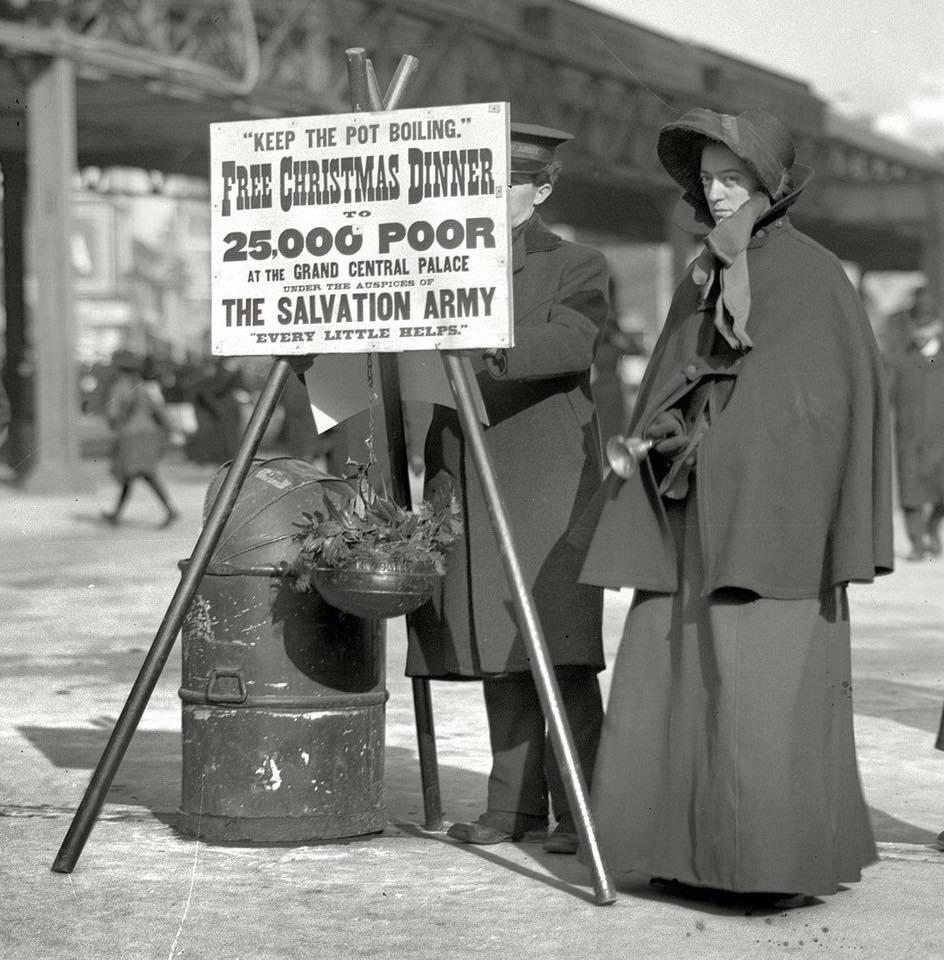

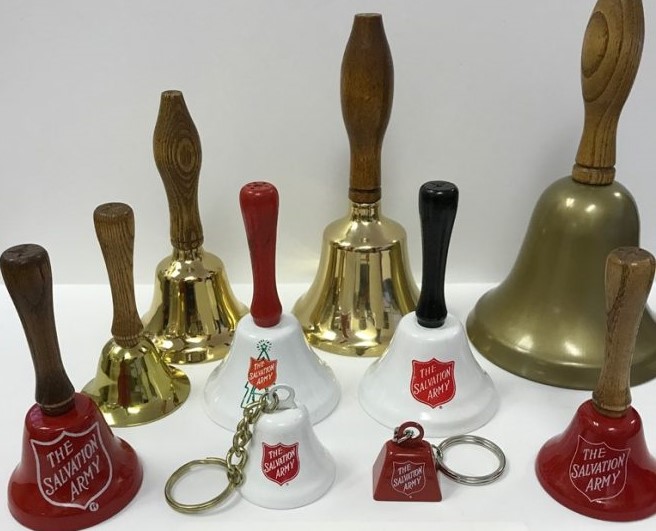

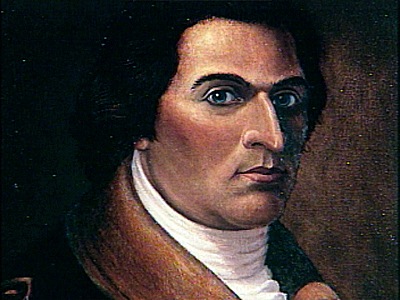


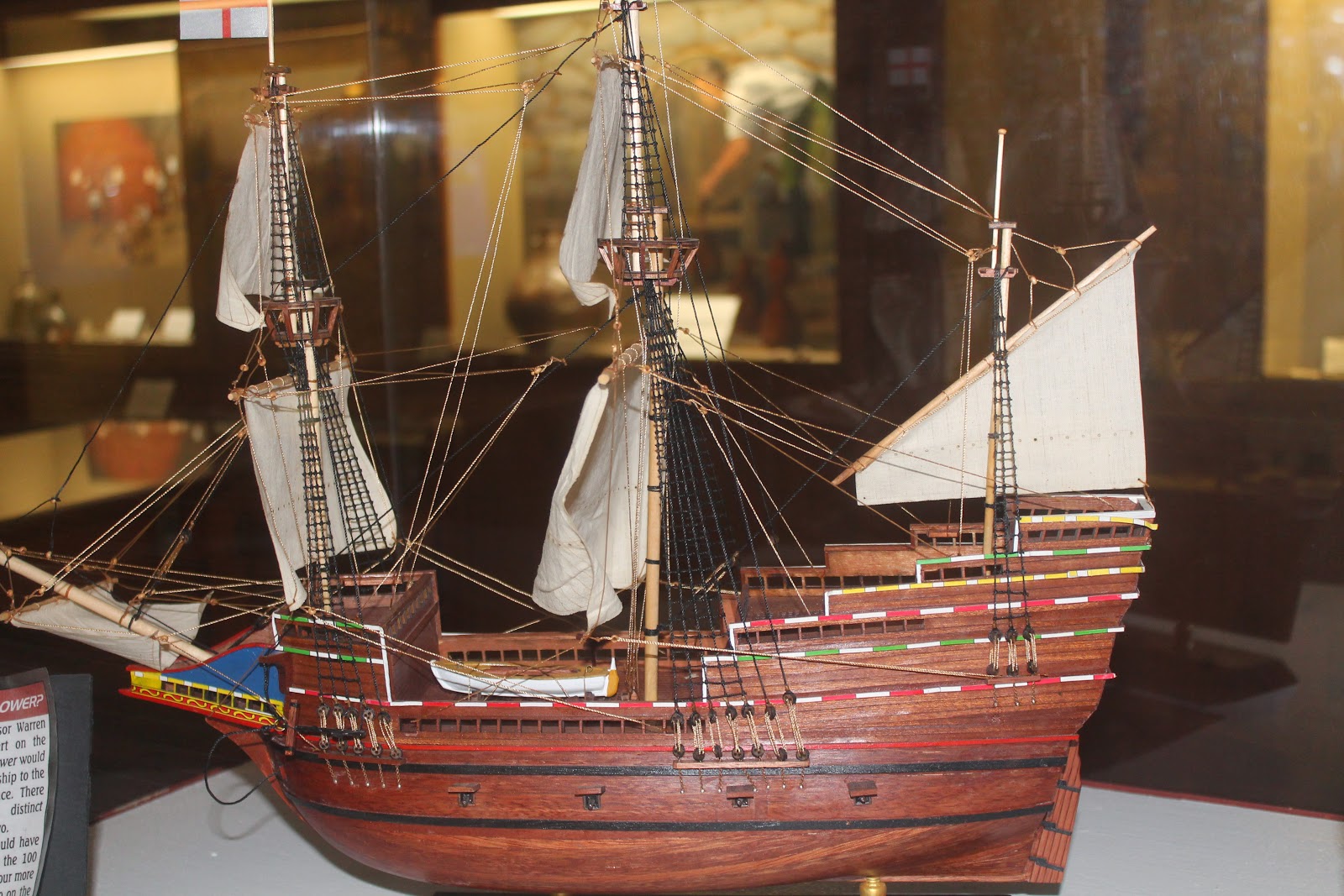

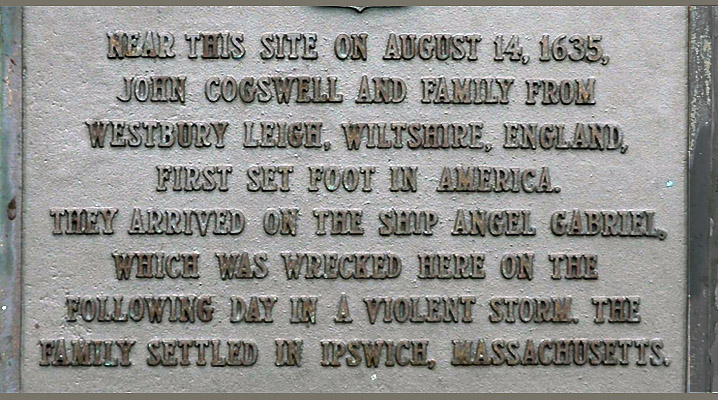
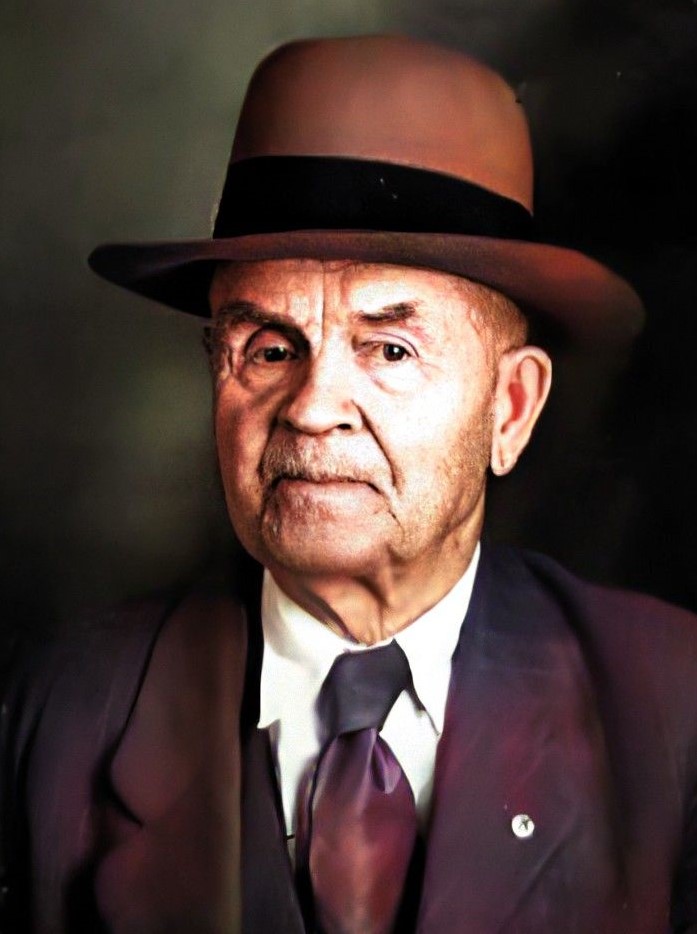





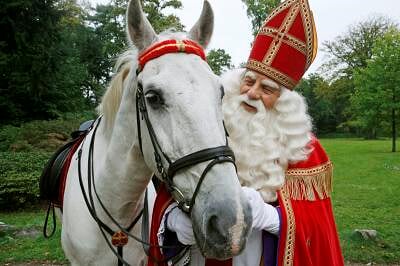

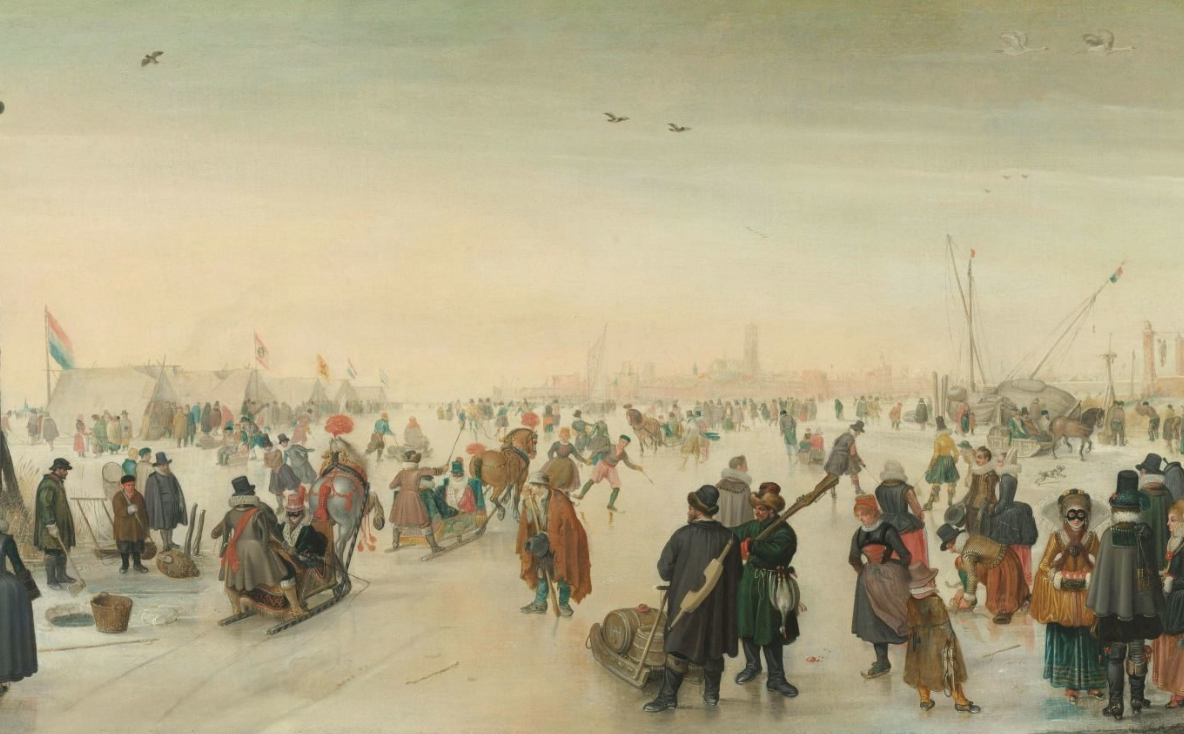


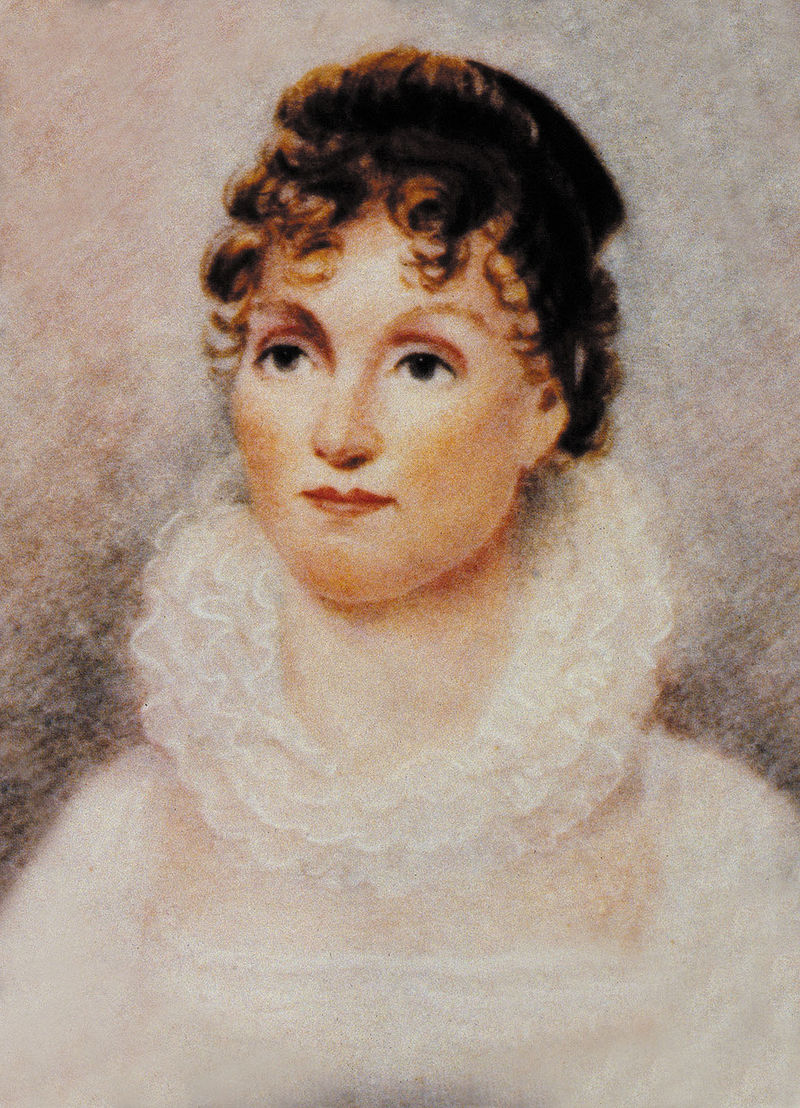
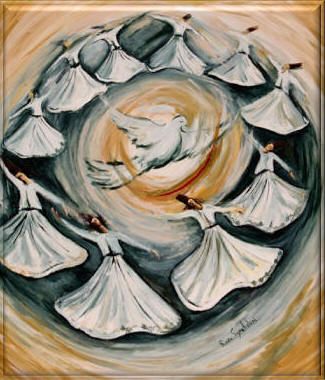

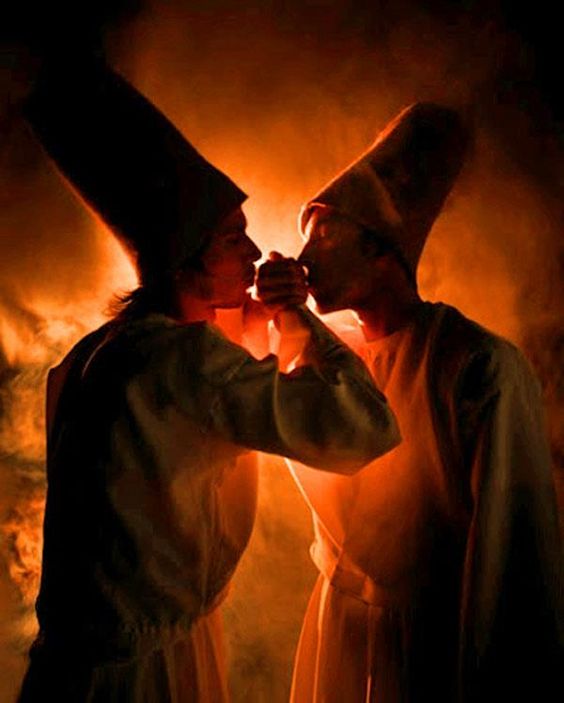

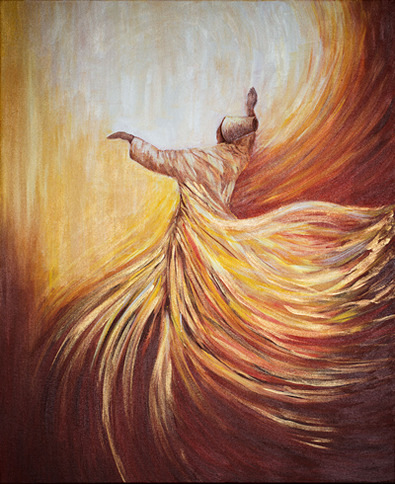
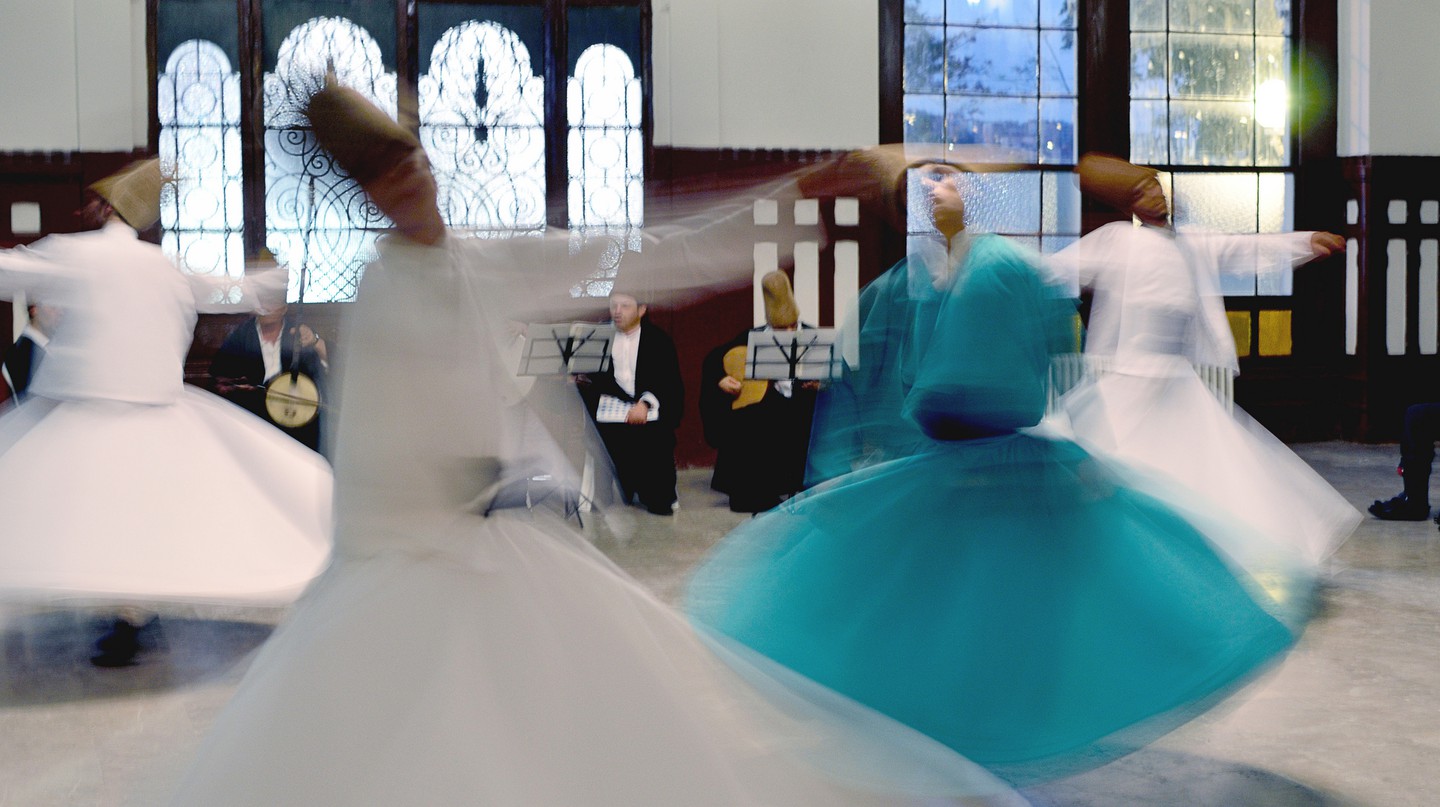


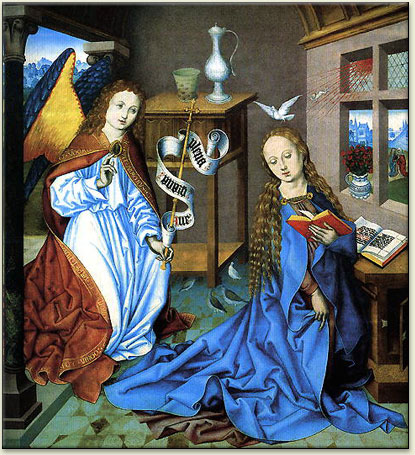

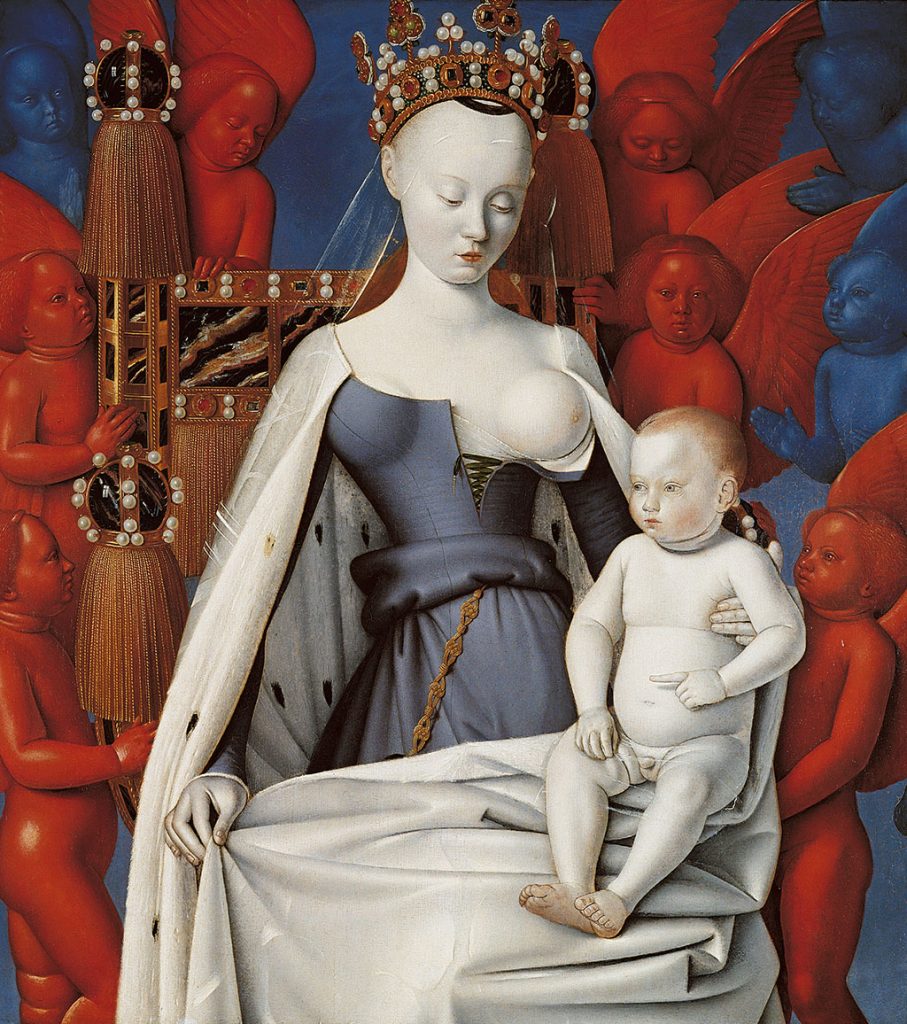


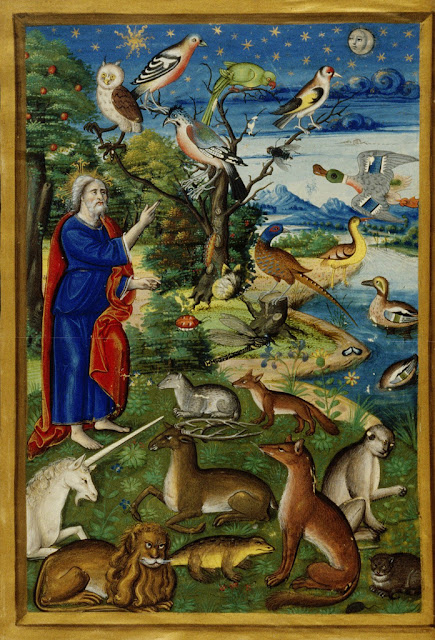



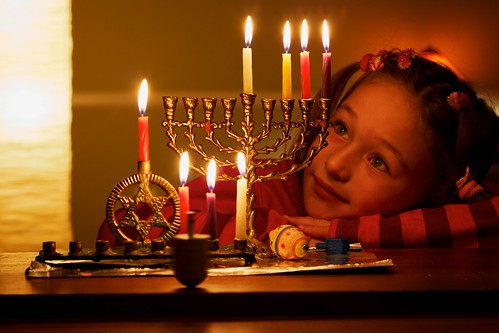
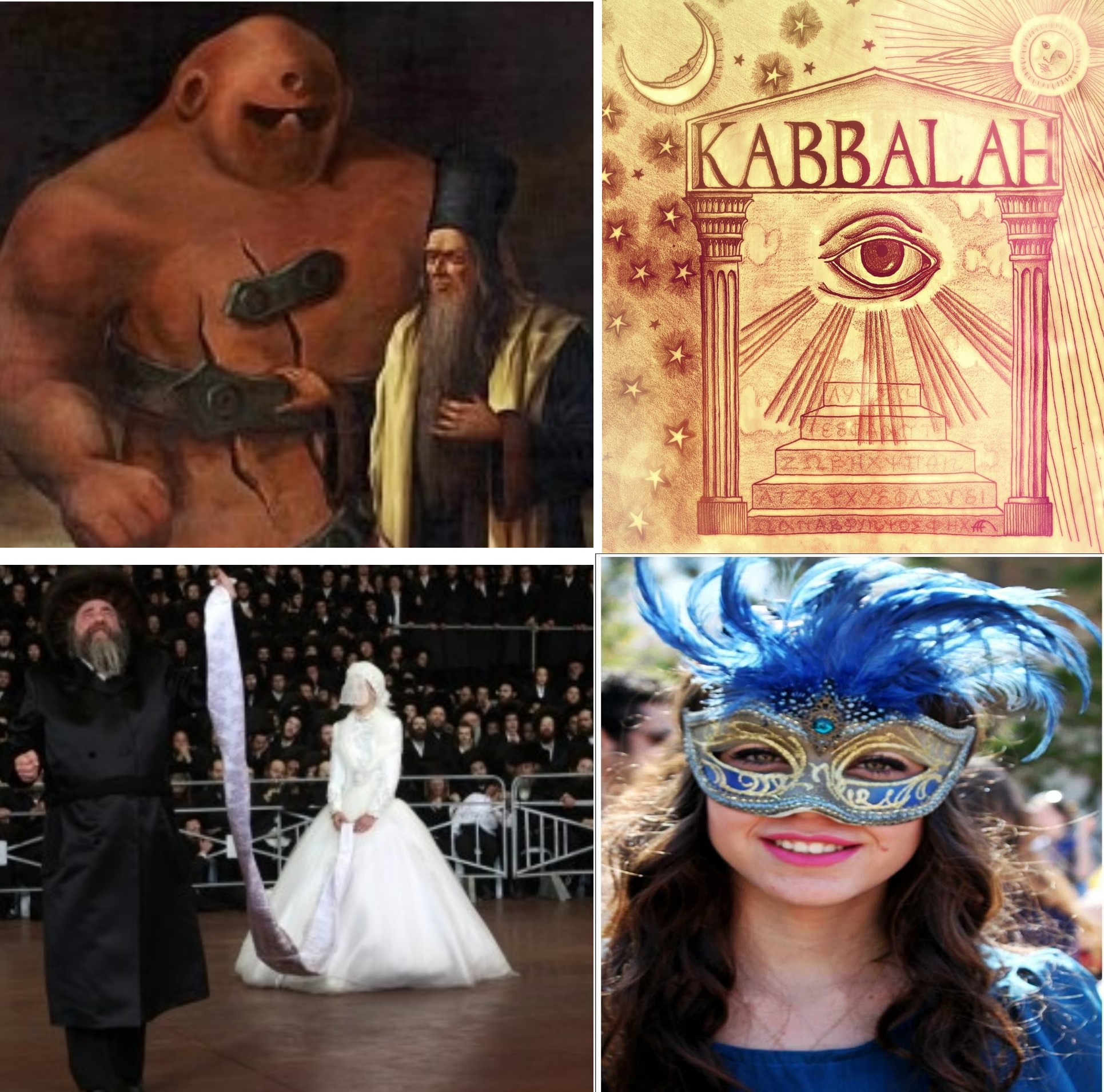

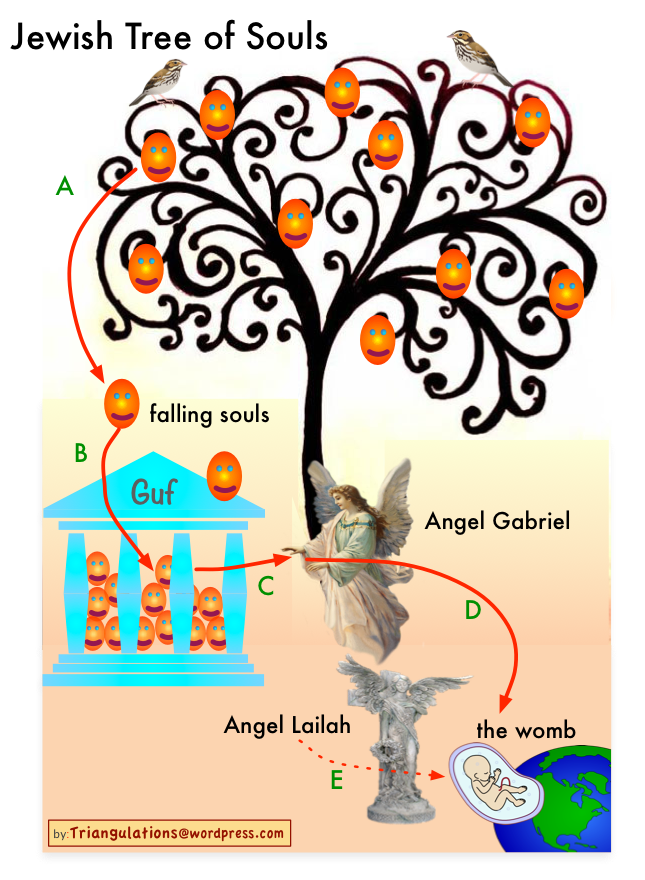
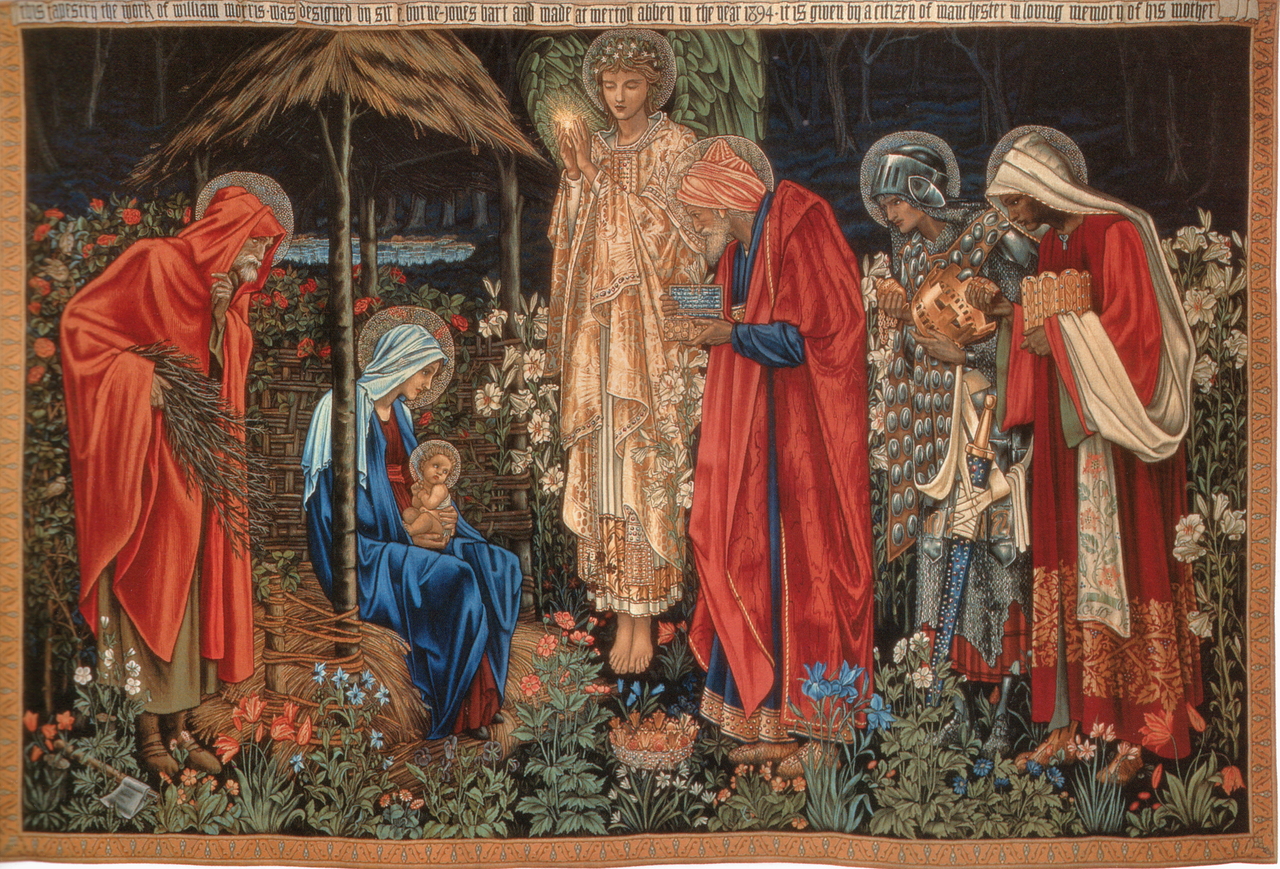
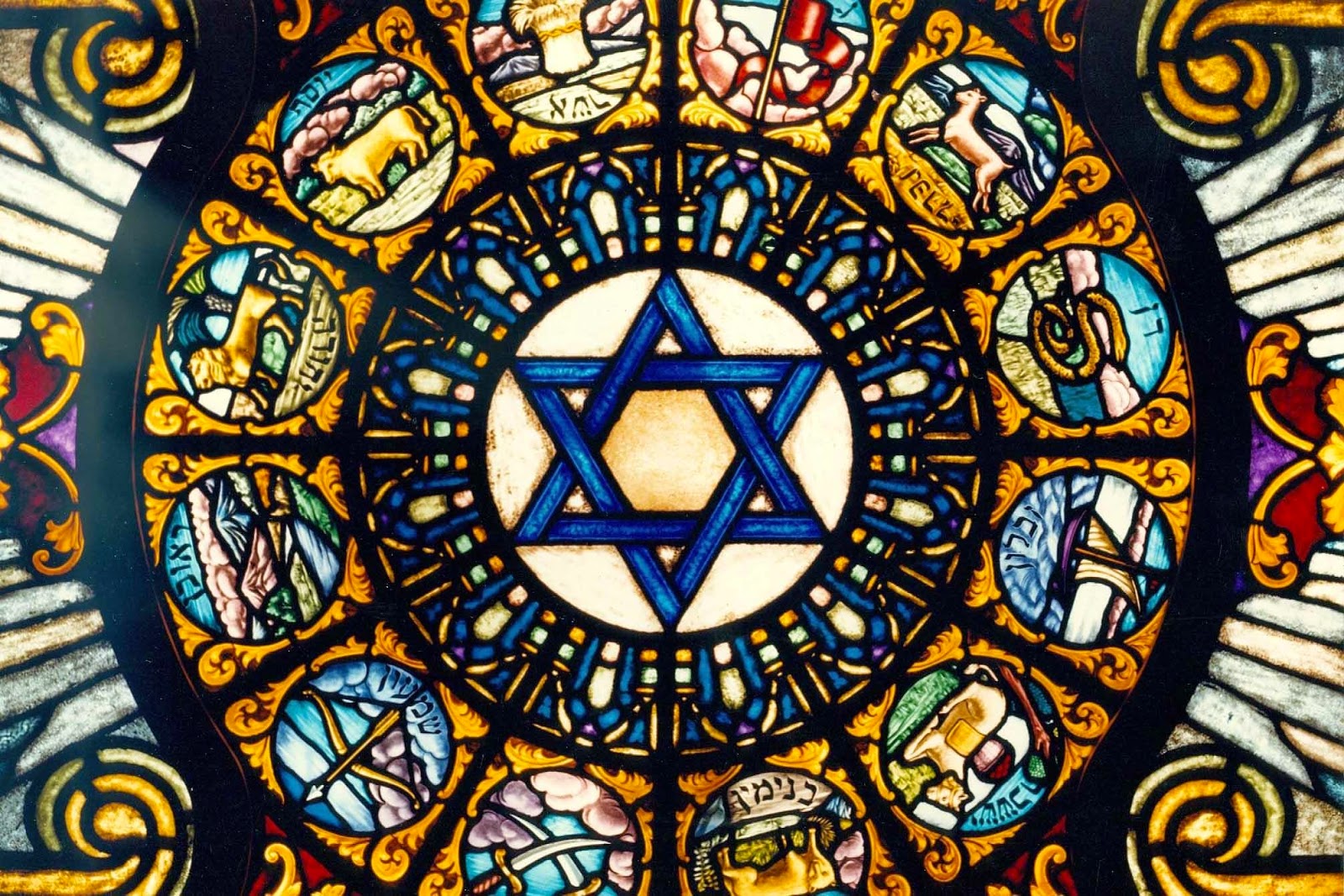

 Anna's Musings & Writings
#/media/File:Adoration_of_the_Magi_Tapestry.png)